
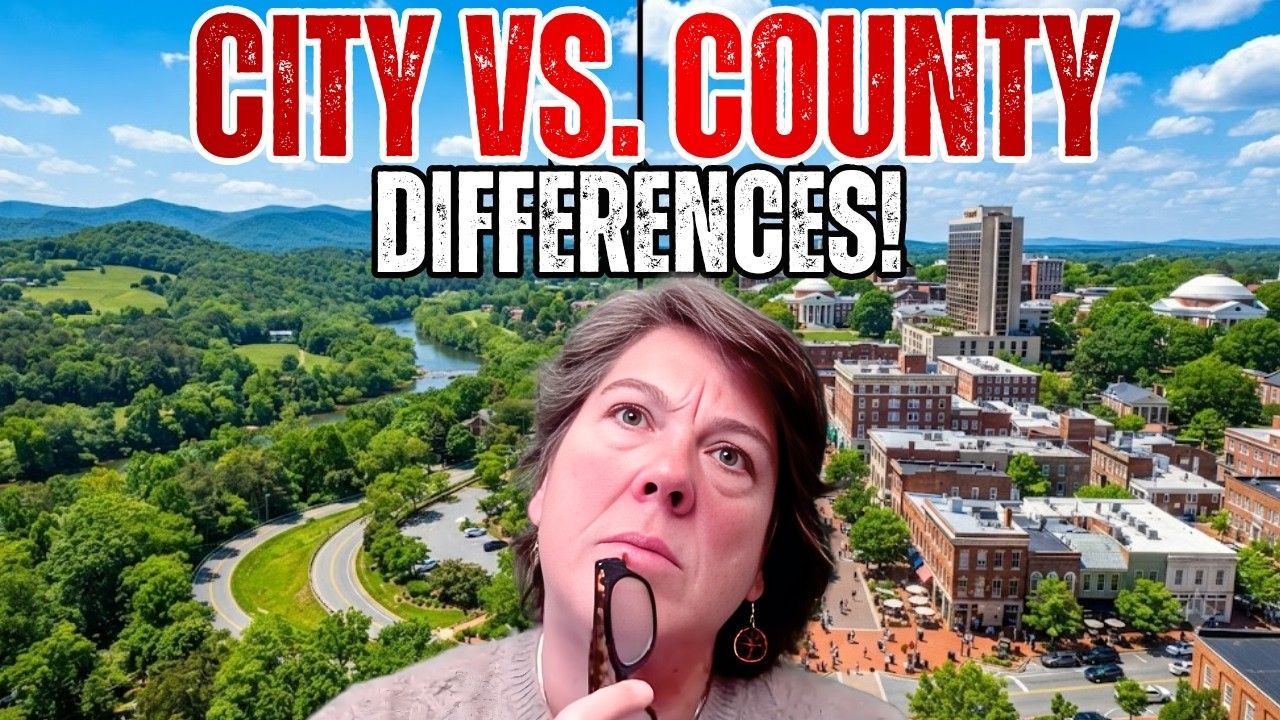
Living in Charlottesville VA: What to Expect

Pam Whorley • August 8, 2026

When people tell me they're moving to Charlottesville, they usually have a picture in their head: tree-lined streets near the University of Virginia, weekend trips to wineries, maybe a charming downtown condo within walking distance of the pedestrian mall. And look, those things exist. But the reality of living here includes surprises that catch even prepared buyers off guard.

I've spent most of my life in central Virginia, raised my family here, and worked with hundreds of people relocating to the area. The gap between what people expect and what they actually experience isn't about Charlottesville being disappointing. It's about understanding what small-city life in Virginia actually looks like: the traffic patterns that don't match what you'd assume, the cost of living that sneaks up on you, the walkability that exists in pockets but not everywhere, and the lifestyle trade-offs that come with choosing this particular corner of the state.

Here's what I wish every buyer knew before they started house hunting.

Table of Contents

The Real Cost of Living in Charlottesville

The sticker shock is real. People move here from other parts of Virginia expecting prices similar to Roanoke or Lynchburg, and they're not prepared for what the Charlottesville market actually costs. The University of Virginia drives demand, the limited inventory keeps prices high, and the desirability of the area means you're competing with buyers who have significant resources.

Housing costs are the biggest surprise. You're paying more per square foot than you would in most Virginia markets outside Northern Virginia and parts of Richmond. That cute bungalow near UVA that needs work? It's priced like a move-in-ready home somewhere else. The newer construction in Albemarle County? You're paying a premium for school access and land.

Property taxes in Albemarle County run higher than many buyers expect, especially if you're coming from a state with lower rates. The county reassesses regularly, and when home values climb, your tax bill follows. City of Charlottesville taxes are structured differently, and depending on where you land, you might be looking at a significantly different annual cost.

Utilities, groceries, and services all trend higher than the Virginia average. This isn't Northern Virginia pricing, but it's not small-town Virginia either. You're in a college town with an educated population, good restaurants, and cultural amenities. Those things cost money to support, and that shows up in your day-to-day expenses.

What Buyers Underestimate

Maintenance and renovation costs run high because the contractor pool is busy and skilled labor is in demand. If you buy an older home, which many people do because that's a large portion of the inventory, budget more than you think for updates and repairs. The charming 1920s house comes with charming 1920s plumbing and electrical that will eventually need attention.

Homeowners insurance has crept up, and if you're buying in certain areas, you need to understand flood zones and what that means for your premium. Some of the most desirable neighborhoods sit near creeks and rivers that look peaceful until they're not.

Traffic and Commute Reality

Charlottesville traffic doesn't look like DC or Richmond traffic, but it's worse than people expect for a city this size. The road infrastructure was built for a smaller population, and growth has outpaced improvements. You've got the University creating its own traffic patterns, commuters coming in from surrounding counties, and a downtown area with limited through-routes.

Route 29 is the main north-south corridor, and it gets congested during rush hour and on UVA event days. If you're commuting from north of the city or trying to get to shopping areas along 29, build in extra time. The bypass helps, but it's not a magic solution.

The east-west routes are even more limited. If you live in one part of the county and work in another, you're likely dealing with two-lane roads that back up behind school buses, farm equipment, or one accident that blocks everything. There's no quick alternate route for a lot of these commutes.

The University Factor

UVA doesn't just affect traffic on game days, though football Saturdays are their own special challenge. The academic calendar creates rhythm to the traffic patterns. Move-in and move-out weekends are chaos. Graduation brings thousands of visitors. Even regular weekdays see concentrated traffic around class change times and university events.

If you're house hunting, drive your potential commute at the actual time you'd be traveling, and do it on a day when UVA is in session. The difference between summer traffic and fall semester traffic is significant.

Walkability: Where It Exists and Where It Doesn't

The Downtown Mall is walkable, and it's one of the longest outdoor pedestrian malls in the country. If you live in the neighborhoods immediately surrounding downtown, you can walk to restaurants, shops, and entertainment. Belmont, parts of Fifeville, and the near-downtown areas offer genuine walkability.

But most of Charlottesville and Albemarle County is not walkable in the way people from urban areas understand the term. You're driving to the grocery store. You're driving to schools. You're driving to activities. Sidewalks exist in some neighborhoods and not others, and even where they exist, you're often walking along busy roads without much buffer.

The trail system is excellent. The Rivanna Trail circles the city, and there are greenways and parks that offer great walking and biking. But that's recreational walkability, not errand-running walkability. Don't move here expecting to ditch your car.

The Neighborhood Reality

Some of the most desirable neighborhoods have mature trees, beautiful homes, and zero sidewalks. You're walking in the street, and depending on the road, that means sharing space with cars going faster than you'd like. Families with young kids need to think about what walkability actually means for their daily life versus what it means on a Saturday morning stroll.

The Charlottesville Lifestyle: What You Actually Get

The lifestyle here is real, but it's not effortless. Yes, you have access to wineries, breweries, mountains, and outdoor activities. The cultural scene is strong for a city this size. The restaurant quality is well above what you'd expect. But you're still in a small city, and that comes with limitations.

You're driving to most activities. The mountains are beautiful, but you're driving 30-45 minutes to get to Shenandoah National Park trailheads. The wineries are spread out across the county and into neighboring counties. The breweries are clustered in some areas, but you're not walking to them from most neighborhoods.

The community is educated and engaged, which is wonderful, but it also means the area leans heavily in certain directions politically and culturally. If you're looking for diversity of thought, you'll find it, but you'll also find a dominant culture that's very university-influenced.

The Small-City Trade-offs

Shopping is limited compared to larger metros. You have the basics, but for certain stores or specialty items, you're driving to Richmond or ordering online. Medical care is excellent because of UVA Health, but specialist appointments can have long wait times because everyone in the region comes here for care.

The social scene can feel insular. UVA dominates, and if you're not connected to the university, it takes more effort to build community. People are friendly, but they're also busy, and breaking into established social circles requires intention.

Which Expectations to Adjust Before You Move

Adjust your budget upward. Whatever you think you'll spend on housing, add 10-15% to be realistic about what you'll actually need to get the location and features you want.

Adjust your commute expectations. If you're working in Charlottesville but buying in a surrounding county for affordability, you're trading money for time. Make sure that trade-off works for your life.

Adjust your walkability expectations. If that's a must-have, you're looking at a very specific set of neighborhoods, and you'll pay a premium for that access.

Adjust your pace expectations. This isn't a sleepy small town. It's a small city with university energy, traffic, and all the complexity that comes with growth and limited infrastructure.

Frequently Asked Questions About Living in Charlottesville

Is Charlottesville expensive compared to other Virginia cities?

Yes. Housing costs are significantly higher than most Virginia markets outside Northern Virginia. You're paying for location, school access, and proximity to UVA and all the amenities that come with a university town. Property taxes in Albemarle County are also higher than many buyers expect.

How bad is traffic in Charlottesville really?

It's worse than you'd expect for a city this size. Route 29 gets congested during rush hour and on UVA event days. East-west routes are limited, and one accident can back up traffic significantly. The road infrastructure hasn't kept pace with population growth.

Can you live in Charlottesville without a car?

Only if you live in very specific neighborhoods near downtown. Most of the area requires a car for daily errands, school drop-offs, and getting to activities. The trail system is excellent for recreation, but you're not running errands on foot in most neighborhoods.

What's the job market like outside of UVA?

UVA and UVA Health are the largest employers, and they dominate the job market. There are other opportunities in tech, healthcare, education, and small business, but the market is smaller than people expect. Many people commute from surrounding areas because housing is more affordable outside the city.

How does the University of Virginia affect daily life?

Significantly. Traffic patterns follow the academic calendar. Housing demand is driven partly by university employees and graduate students. The cultural scene and restaurant quality are elevated because of the university population. Game days and university events create their own challenges for traffic and parking.

Are the winters harsh in Charlottesville?

No, winters are mild compared to northern states. You'll get some snow, but it's usually manageable. The bigger issue is that the area doesn't have extensive snow removal infrastructure, so even a few inches can shut things down for a day or two. Ice storms are more disruptive than snow.

If you're seriously considering a move to Charlottesville, let's talk through what you're expecting versus what the market actually offers right now. I can walk you through neighborhoods, commute times, and what your budget will realistically get you. I'd rather have an honest conversation up front than have you surprised six months after you move. Reach out and we'll set up a time to talk through your specific situation.

living in charlottesville

Pam Whorley is a dedicated REALTOR® who has lived and grown up in Charlottesville, bringing her extensive local knowledge and passion for the area to help clients find their perfect home. Whether you're buying, selling, or relocating, Pam’s personalized approach ensures a smooth and stress-free experience.

charlottesville Relocation Guide

A poster for a relocation guide for charlottesville

watch our videos

Living in Charlottesville VA: The Good and the Unexpected Trade-Offs
By Pam Whorley September 5, 2026
Thinking about moving to Charlottesville VA? Discover the real trade-offs between city and county living, traffic patterns, and walkability you need to know before relocating.
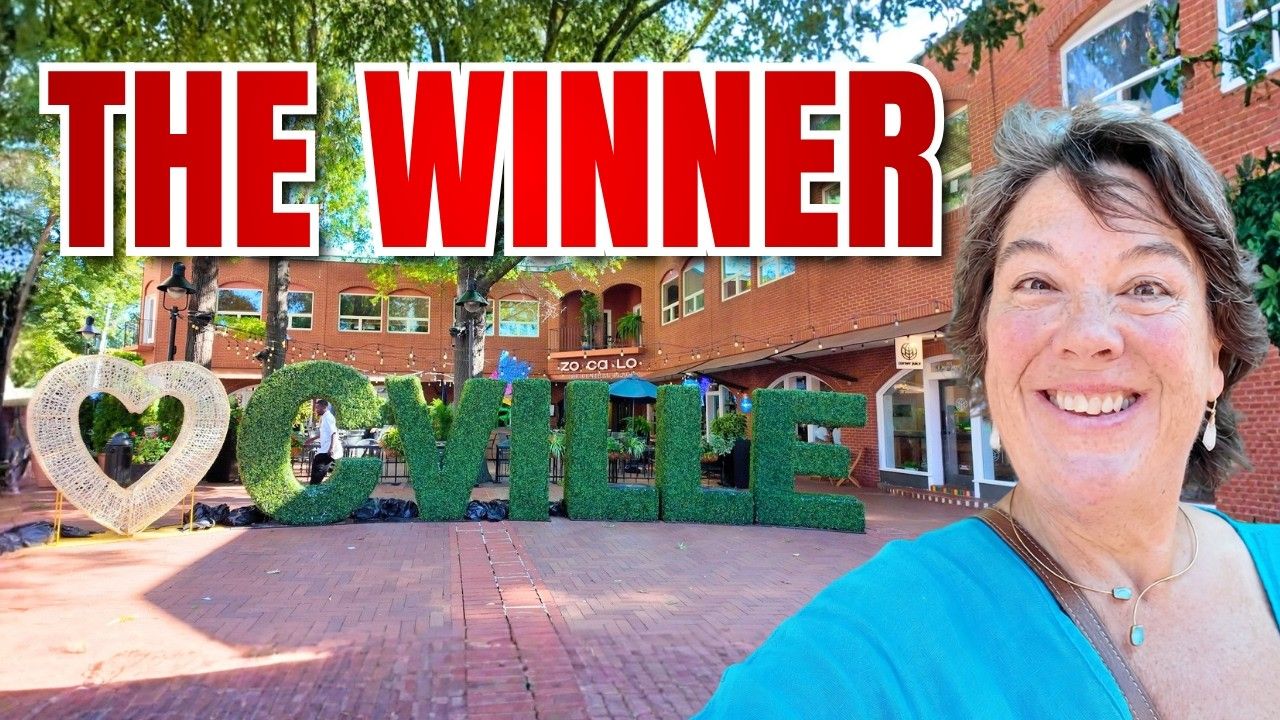
It actually has a lifestyle attached to the community, and it's so very not cookie cutter at all.
By Pam Whorley August 29, 2026
Discover the best places to live near Charlottesville VA in 2026. From Crozet's growth to Keswick's luxury and Greene County's affordability, find your perfect neighborhood fit.
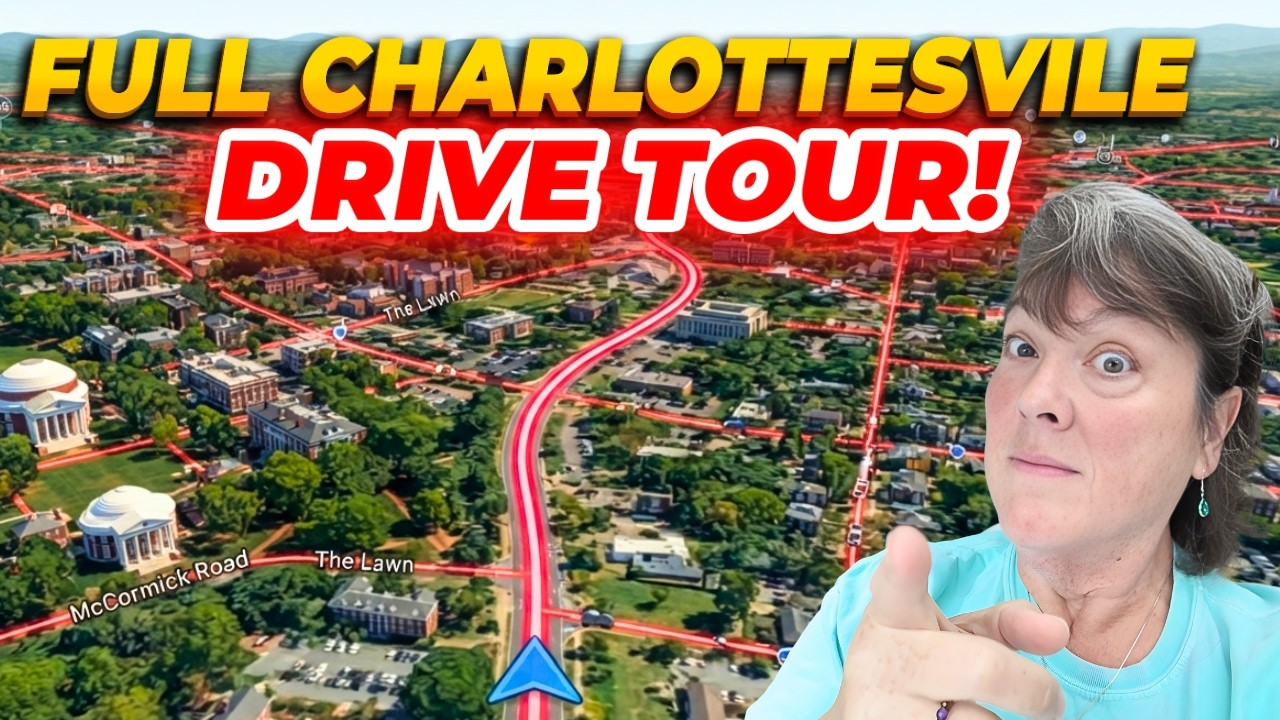
Charlottesville aerial drive tour graphic with pink route, bold text, and a surprised woman pointing
By Pam Whorley July 26, 2026
Explore living in Charlottesville VA, including neighborhoods, commute times, UVA, shopping, new construction, and tips for choosing where to live.

July 11, 2025
Charlottesville is a city full of history, culture, and outdoor adventures, making it an exciting place to live, visit, or retire. Whether you’re into hiking, history, or enjoying local food and wine, Charlottesville has something for everyone.

July 11, 2025
Looking to retire in a place that offers both tranquility and excitement?
July 11, 2025
Thinking about moving to Charlottesville? Whether you're relocating for work, retirement, or just looking for a fresh start, Charlottesville is the perfect blend of history, nature, and modern amenities. Here’s everything you need to know to make your move seamless.
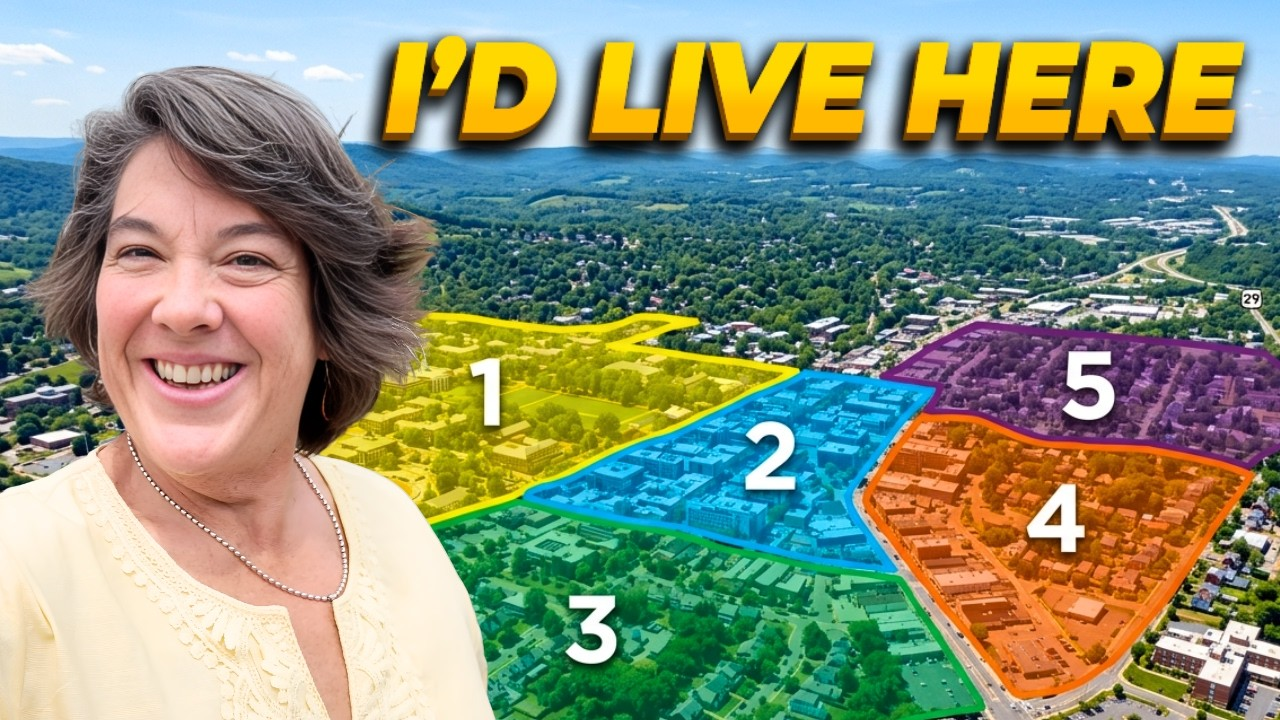
Woman smiling in front of a colorful map labeled “I’D LIVE HERE” with numbered land parcels.
By Pam Whorley June 28, 2020
Explore the best neighborhoods in Charlottesville VA, from walkable communities to new construction, amenities, mountain views, and more.