

Charlottesville 2-Over-2 Condos: Upper vs. Lower Units
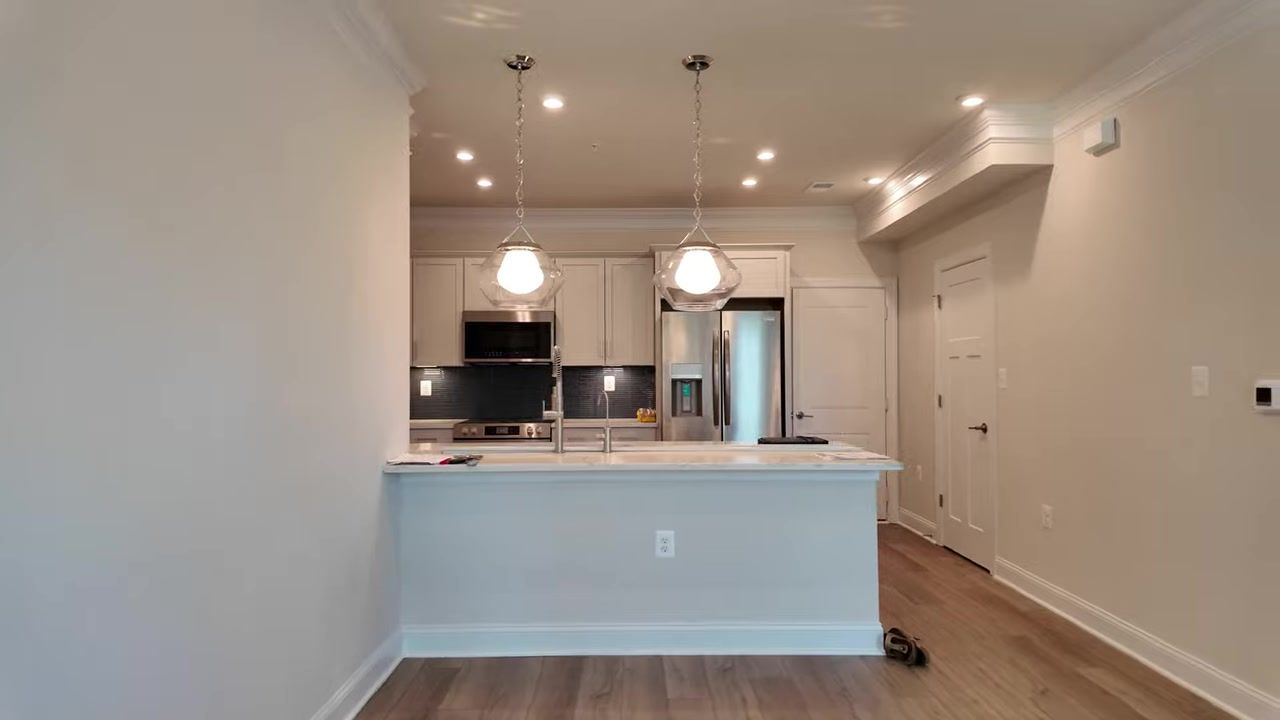
The smell of fresh paint and new carpet hits you the moment you step inside a brand-new 2-over-2 condo. Everything is untouched, the appliances still have their protective film, and you get to be the first person to cook in that kitchen. Charlottesville's condo market has been growing, and these 2-over-2 builds offer something different from the typical high-rise or sprawling townhome community. You get two separate units stacked on top of each other, each with its own entrance, and the choice between living upstairs or down.
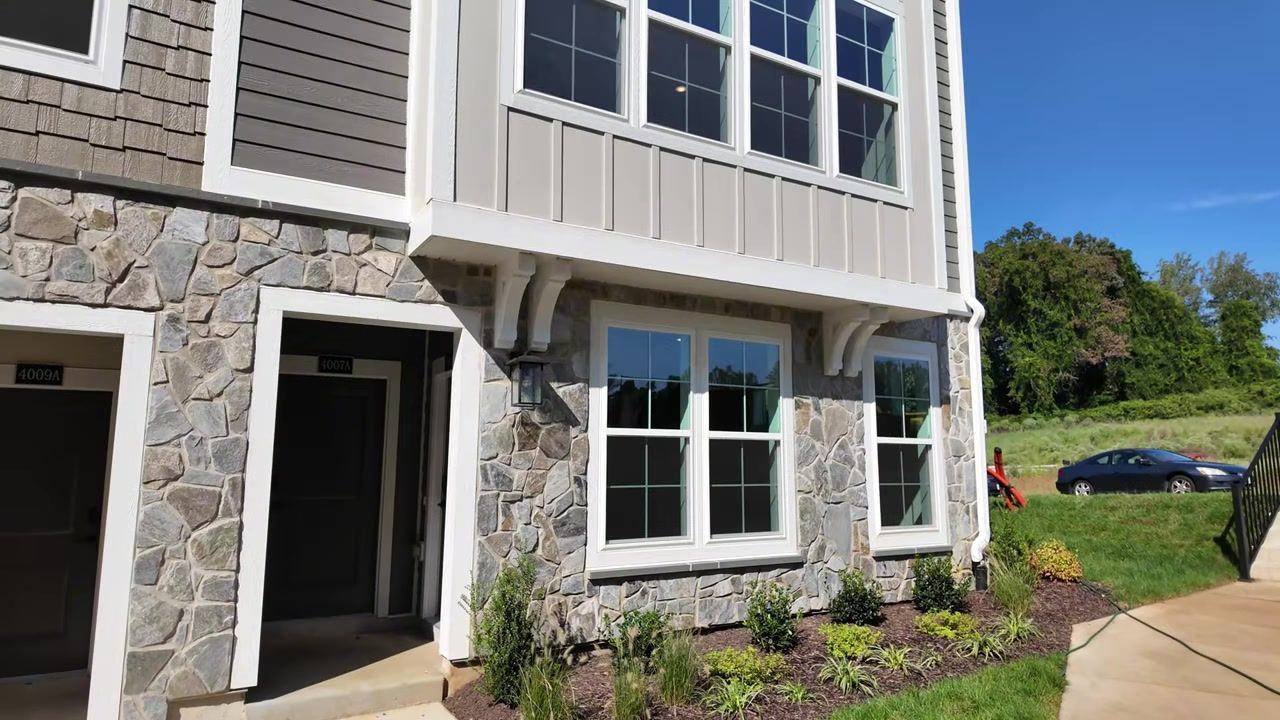
I'm walking you through one of these new construction condos today because I want you to see how the upper and lower units compare. The layout is the same, but the experience of living in each one is not. One has a private entrance at ground level and a small patio. The other sits above, with views and no one walking overhead. The pricing reflects those differences, and so do the condo fees. If you're relocating to Charlottesville and want low-maintenance living without sacrificing space or privacy, this style of condo might check a lot of boxes.
This is not a cookie-cutter apartment conversion. These are purpose-built condos designed for buyers who want to own, not rent, and who don't want to deal with yard work or exterior maintenance. Let me show you what you're actually getting, what you're paying for, and what questions you should ask before you write an offer.
Table of Contents
What Is a 2-Over-2 Condo and How Does It Work?
A 2-over-2 condo is exactly what it sounds like: two units stacked on top of each other. You're not buying into a massive building with shared hallways and elevators. You're buying one of two units in a small structure, and your only shared wall is the ceiling and floor between you and your neighbor. Each unit has its own entrance, so you're not walking through a common lobby or dealing with a lot of foot traffic.
In Charlottesville, these condos are showing up in new construction communities where builders want to offer attached living without the density of a traditional condo complex. You get the benefits of ownership, the low maintenance of condo living, and a layout that feels more like a single-family home than an apartment. The lower unit typically has a ground-level entrance and access to a small patio or outdoor space. The upper unit has stairs leading up to the front door, and you're living above the lower unit with no one overhead.
The condo association handles exterior maintenance, landscaping, and sometimes even snow removal. You own the interior of your unit, and you share responsibility for the building's exterior and common areas through your monthly condo fees. That's the trade-off: you give up some control, but you also give up the hassle of mowing, painting siding, or replacing a roof.
These 2-over-2 builds are appealing to buyers who want to downsize without moving into a high-rise, or to first-time buyers who want something newer and easier to maintain than an older single-family home. You're not dealing with a huge HOA or a building full of owners. It's just you and one other unit, and that simplicity is part of the draw.
Upper Unit vs. Lower Unit: Layout and Lifestyle Differences
The floor plan is the same in both units, but the experience of living in each one is completely different. Let me walk you through what that actually means day to day.
Lower Unit: Ground-Level Living and Outdoor Access
The lower unit has a front door at ground level, so you're walking straight in from the parking area or sidewalk. No stairs to haul groceries up, no second-floor climb after a long day. You also get access to a small patio or outdoor space, which the upper unit does not have. If you want to sit outside with your coffee in the morning or grill on a weekend, that's a big advantage.
The trade-off is that you have someone living above you. You'll hear footsteps, furniture moving, maybe a vacuum on Saturday morning. The level of noise depends on how the building is constructed and how considerate your upstairs neighbor is, but it's something to think about if you're sensitive to sound. You also have less natural light in some cases, depending on how the windows are positioned and what's around the building.
The lower unit is often priced slightly lower than the upper unit because of these factors. You're giving up some privacy and some light, but you're gaining convenience and outdoor access. For buyers who have mobility concerns, or who just don't want to deal with stairs every time they come home, the lower unit makes sense.
Upper Unit: Views, Privacy, and No One Overhead
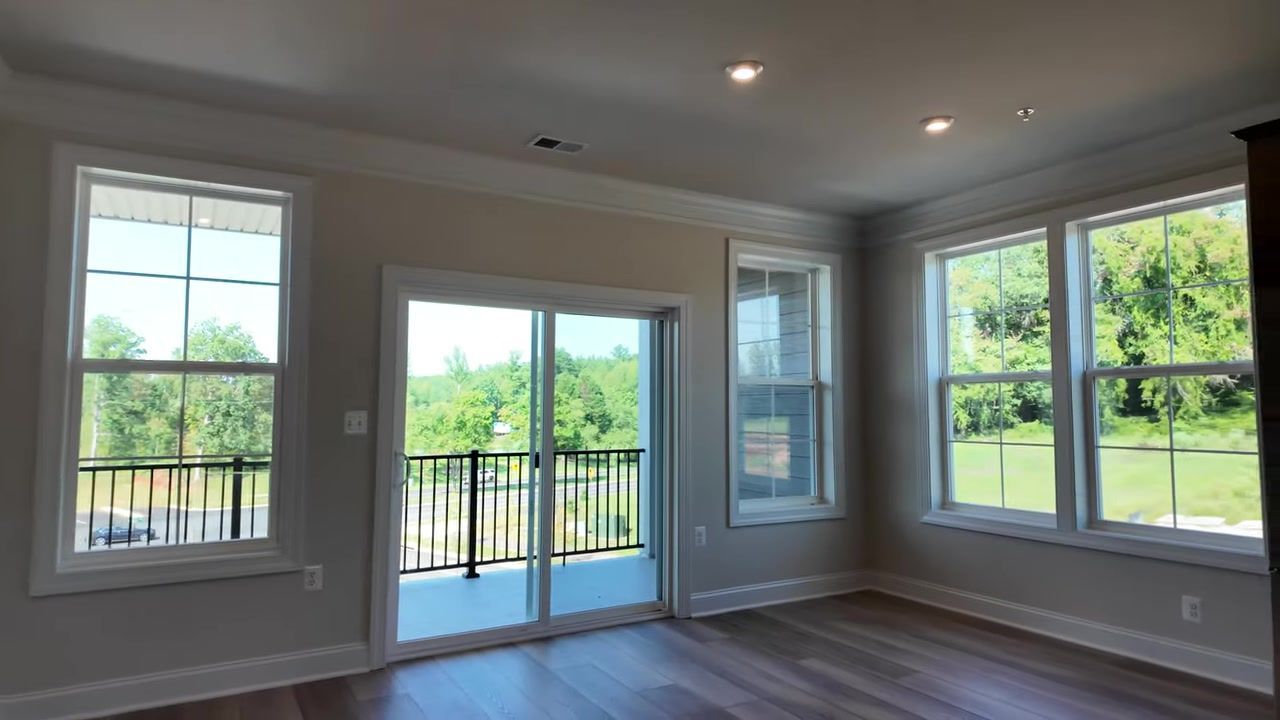
The upper unit requires you to climb stairs to get to your front door, and that's the first thing you need to be honest with yourself about. If you're carrying groceries, a baby, or furniture, those stairs are going to be part of your routine. But once you're inside, you have no one above you. No footsteps, no noise from overhead, and often better natural light because you're elevated.
You also tend to get better views, depending on what the building faces. If there's a tree line, a park, or even just a little distance from the parking lot, the upper unit benefits from that elevation. The windows feel bigger, the space feels airier, and you have a sense of separation from the ground-level activity.
The upper unit is typically priced higher than the lower unit, and the condo fees are often the same or very close. You're paying for the privacy, the light, and the lack of noise from above. You're giving up outdoor space and the convenience of a ground-level entrance, but for a lot of buyers, that trade-off is worth it.
Pricing and Condo Fees: What You're Paying and Why
New construction condos in Charlottesville are priced based on the unit's position, the finishes, and the overall market. A 2-over-2 condo in a desirable location with modern finishes is going to cost more than an older condo in a less convenient area, but you're also getting a brand-new build with a warranty and no deferred maintenance.
The lower unit is generally priced a bit lower than the upper unit. You might see a difference of a few thousand dollars, or it could be more depending on the builder and the specific features of each unit. The pricing reflects the fact that the lower unit has outdoor space but also has someone living above it, while the upper unit has privacy and views but requires stairs.
Condo fees are where a lot of buyers get tripped up. These are monthly fees that cover the cost of maintaining the building's exterior, the landscaping, the roof, the siding, and sometimes utilities like water or trash. In a 2-over-2 condo, the fees are typically split between the two units, and they can range from a couple hundred dollars a month to more, depending on what's included and how the association is structured.
You need to ask what the condo fees cover before you buy. Are they paying for insurance on the building's exterior? Are they covering lawn care and snow removal? Is there a reserve fund for major repairs, like a new roof in ten years? If the fees are low, that might sound great, but it could also mean the association is underfunded and you'll face a special assessment down the road when something big needs to be fixed.
New construction condos sometimes have lower fees at first because there's no deferred maintenance and everything is under warranty. But those fees can go up as the building ages and the association builds its reserve fund. Make sure you're looking at the condo documents and understanding what you're signing up for long-term, not just what the fees are today.
What Buyers Should Know Before Buying New Construction Condos
Buying a new construction condo is different from buying a resale home, and there are a few things you need to know before you make an offer.
The Builder Controls the Process
When you're buying new construction, the builder has a lot of control over the timeline, the finishes, and the contract terms. You're not negotiating with a homeowner who's motivated to sell. You're working with a builder who has a set price, a set timeline, and a contract that's written to protect them. You can sometimes negotiate on closing costs or upgrades, but the price itself is usually firm, especially in a market where inventory is tight.
You also need to be prepared for delays. New construction timelines are estimates, not guarantees. If the builder says the condo will be ready in three months, it might be four or five. Supply chain issues, weather, inspections, and a dozen other factors can push the closing date back. Make sure your financing and your housing situation can handle that uncertainty.
Condo Documents and Association Rules
Before you close, you'll receive the condo documents, and you need to read them. These documents tell you what the association is responsible for, what you're responsible for, how the fees are calculated, and what the rules are for things like renting out your unit, having pets, or making changes to the exterior.
Some condo associations have strict rules about rentals, which matters if you think you might want to rent the unit out in a few years. Others have restrictions on pets or require approval for any changes you want to make to the exterior, like adding a satellite dish or changing the front door color. You need to know what you're agreeing to before you sign.
You should also look at the association's financials. How much money is in the reserve fund? Are there any pending lawsuits or special assessments? Is the association properly funded, or are they running on a shoestring budget? Your lender will require a condo questionnaire as part of the approval process, but you should be asking these questions yourself too.
Resale Value and Market Demand
New construction condos hold their value well if they're in a good location and the association is well-managed. But condos in general can be harder to sell than single-family homes, especially if the market shifts or if the association has issues. Buyers are often wary of high condo fees or associations with a history of special assessments.
If you're buying a 2-over-2 condo as an investment or as a stepping stone to a larger home, think about who the next buyer will be. Is this a location that appeals to first-time buyers, downsizers, or people relocating to Charlottesville for work? Is the condo fee reasonable compared to other condos in the area? Those factors will affect how easy it is to sell when the time comes.
Is a 2-Over-2 Condo Right for You?
A 2-over-2 condo works for buyers who want low-maintenance living, a newer build, and a smaller community feel. It doesn't work for everyone.
Choose the lower unit if you want ground-level access, outdoor space, and the convenience of not climbing stairs every day. You'll deal with some noise from above, but you'll have a patio and an easier entry.
Choose the upper unit if you value privacy, natural light, and no one walking overhead. You'll climb stairs every time you come home, but you'll have a quieter, brighter space.
Skip the 2-over-2 condo if you want a yard, if you don't want to pay monthly condo fees, or if you're not comfortable with the shared decision-making that comes with condo ownership. You're giving up some control in exchange for less maintenance, and that trade-off doesn't work for everyone.
This style of condo appeals to buyers who are downsizing from a larger home, first-time buyers who want something new and easy, or people relocating to Charlottesville who want to get settled quickly without taking on a big renovation project. It's not the right fit for buyers who want land, who want to customize the exterior, or who are looking for the lowest possible monthly payment.
Conclusion
A new construction 2-over-2 condo in Charlottesville gives you a clean slate, low maintenance, and a choice between ground-level convenience and upstairs privacy. The pricing reflects the differences between the units, and the condo fees cover the exterior work you don't want to deal with. But you need to go into this with your eyes open about what condo ownership actually means: shared walls, monthly fees, association rules, and less control over the building's exterior.
If you're relocating to Charlottesville and you want to see what's available in new construction condos, I can walk you through the options and help you understand what you're getting for your money. We can talk about pricing, condo fees, location, and whether a 2-over-2 condo makes sense for your situation. Call or text me at (434) 218-3142. I'd love to show you around.
FAQ
What is a 2-over-2 condo?
A 2-over-2 condo is a building with two units stacked on top of each other. Each unit has its own entrance, and you share a ceiling and floor with your neighbor. The lower unit has ground-level access and often a patio, while the upper unit has stairs and no one living above it.
Are condo fees negotiable?
No. Condo fees are set by the condo association and are the same for all owners in the building. The fees cover exterior maintenance, landscaping, insurance, and sometimes utilities. You can't negotiate them, but you should review the condo documents to see what's included and whether the association is properly funded.
Can I rent out my condo?
That depends on the condo association's rules. Some associations allow rentals with no restrictions, while others limit the number of units that can be rented or require approval before you can lease the unit. Check the condo documents before you buy if you think you might want to rent it out later.
Is the upper or lower unit a better investment?
The upper unit typically has a higher resale value because of the privacy and lack of noise from above. But the lower unit appeals to buyers who want ground-level access and outdoor space. The best investment is the one that appeals to the largest pool of buyers in your market, which is usually the upper unit.
What happens if the condo association runs out of money?
If the association doesn't have enough money in its reserve fund to cover a major repair, the owners will be hit with a special assessment. That's a one-time fee that each owner has to pay to cover the cost of the repair. This is why it's so important to review the association's financials before you buy.
Do I need a special kind of mortgage for a condo?
Your lender will require a condo questionnaire and will review the association's financials to make sure the building is eligible for financing. Some lenders won't finance condos in buildings with too many rentals, too few owner-occupants, or associations with financial problems. Make sure your lender is experienced with condo financing before you start the process.
living in charlottesville
Pam Whorley is a dedicated REALTOR® who has lived and grown up in Charlottesville, bringing her extensive local knowledge and passion for the area to help clients find their perfect home. Whether you're buying, selling, or relocating, Pam’s personalized approach ensures a smooth and stress-free experience.