Living in Charlottesville VA: The Good and the Unexpected Trade-Offs
Charlottesville sits in a valley where the Blue Ridge Mountains meet rolling farmland, and that geography shapes everything about living here. You get Thomas Jefferson's university town, a walkable downtown mall, and vineyard country all within twenty minutes of each other. But that mix of city and country comes with trade-offs that catch people off guard, especially if you're moving from a place where the suburbs blend seamlessly into the urban core.
I've spent most of my life in central Virginia, and I've watched Charlottesville grow from a sleepy college town into a destination that pulls people from all over the country. The unexpected part isn't that it's beautiful or historic. Everyone knows that before they get here. The surprise is how different life feels depending on whether you land in the city limits or out in Albemarle County, and how traffic patterns don't match what you'd expect from a place this size.
This isn't Richmond or Northern Virginia. Charlottesville has its own rhythm, and understanding the difference between city and county living here matters more than in most markets. Let me walk you through what actually shapes day-to-day life when you move to Charlottesville.
Table of Contents
City vs County Living in Charlottesville
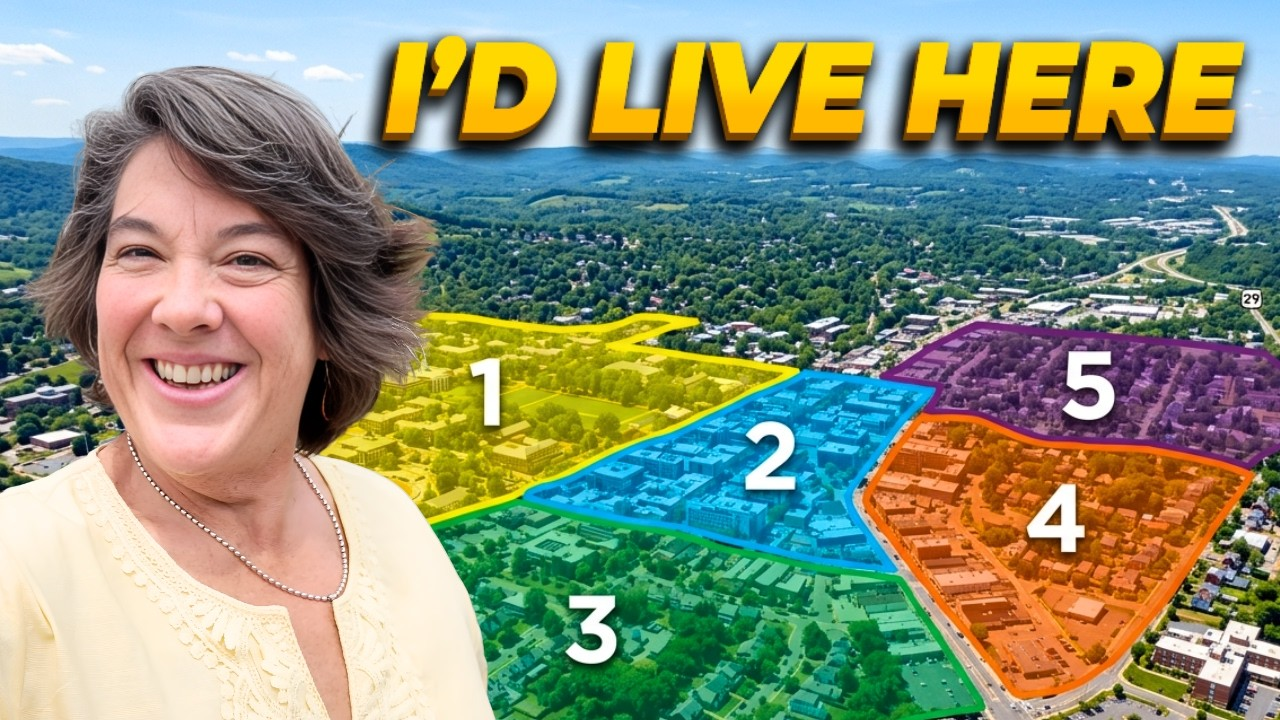
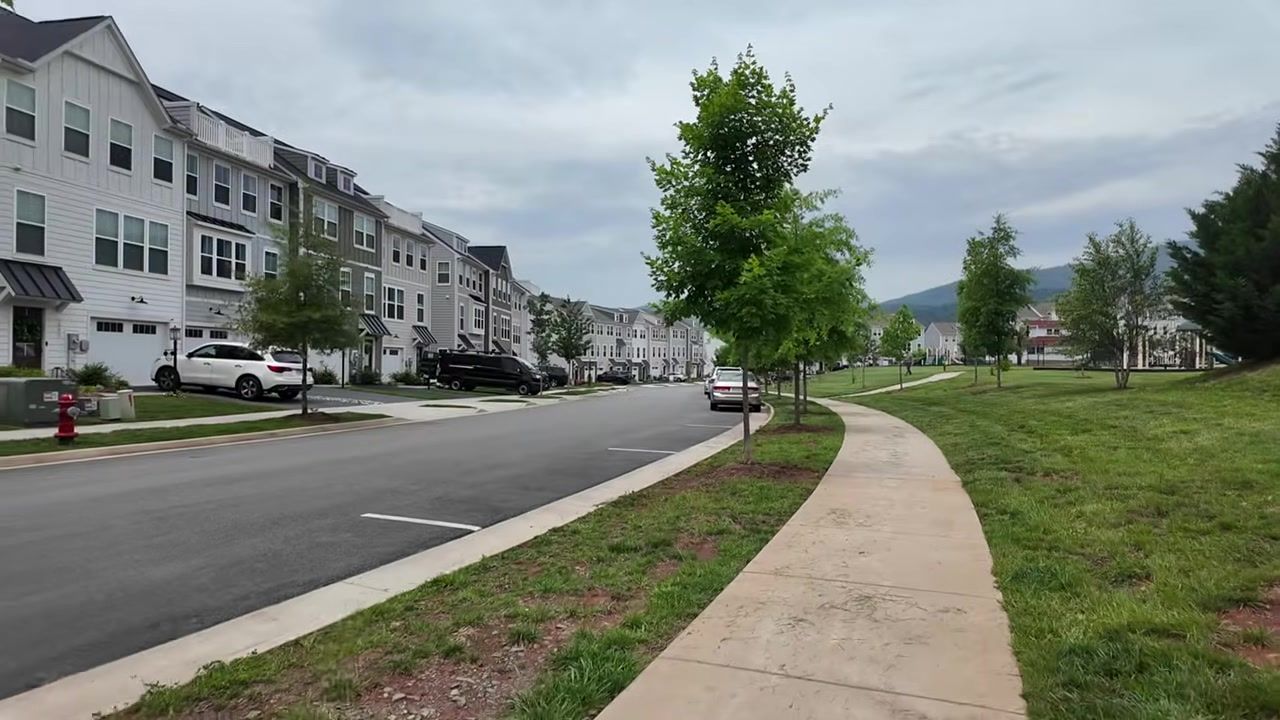
Charlottesville the city is only about 10 square miles. Albemarle County wraps around it like a donut, covering over 700 square miles of everything from dense neighborhoods that feel urban to horse farms where your nearest neighbor is half a mile away. Your mailing address might say Charlottesville, but your actual location determines your taxes, your services, and how you experience this place.
City residents pay city taxes on top of county and state. That's the trade-off for living closer to the university, the Downtown Mall, and the walkable neighborhoods that make Charlottesville feel like a small city instead of a town. County residents skip that extra tax layer, but they're trading walkability and density for space and a more rural feel. It's not just about the money. It's about whether you want to walk to dinner or whether you're fine driving everywhere and having land around you.
The line between city and county isn't always obvious when you're house hunting. You can find neighborhoods that feel suburban and quiet that are technically in the city, and you can find denser developments in the county that don't feel rural at all. I always tell people to verify the jurisdiction before they fall in love with a house, because that distinction affects more than your tax bill. It shapes what your daily routine looks like and how connected you feel to the urban core.
Traffic Patterns That Don't Match the Population
Charlottesville has about 50,000 people in the city and another 110,000 in Albemarle County. Those numbers don't sound like they'd create serious traffic, but the roads here weren't built for how people actually move around now. You get backups that feel disproportionate to the population, especially during university events or on summer weekends when tourists flood the vineyards and breweries.
Route 29 is the main north-south corridor, and it bottlenecks in ways that frustrate people who moved here expecting small-town ease. The bypass helps, but you're still dealing with a road network that was designed for a much smaller population. Add in the fact that Charlottesville sits in a valley with mountains limiting how roads can expand, and you understand why a fifteen-minute drive can turn into thirty during peak times.
The unexpected part is that traffic doesn't follow typical suburban patterns. You're not just dealing with rush hour commutes. You're dealing with university football Saturdays that turn the entire area into a parking lot, or a concert at the Pavilion that backs up 64, or leaf-peepers in October clogging every scenic route. If you're moving from a place where traffic is predictable, Charlottesville traffic feels random until you learn the rhythm of the academic calendar and the tourism season.
Walkability and the Downtown Experience
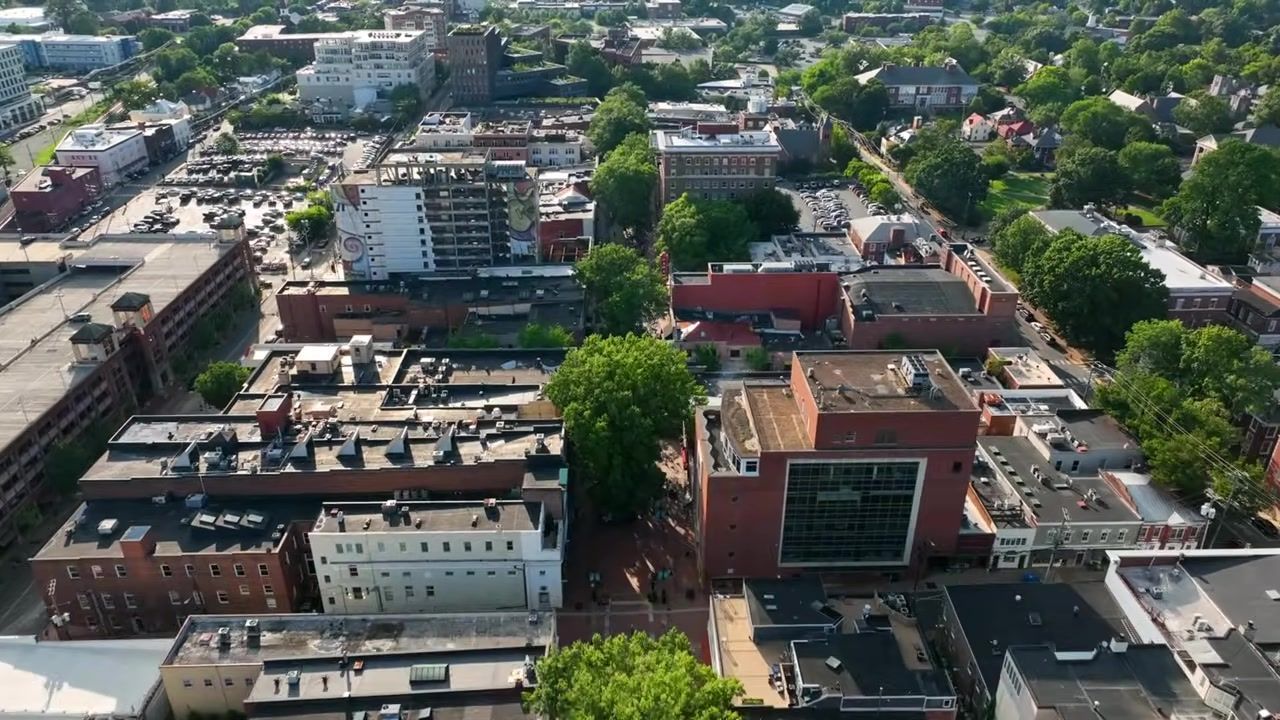
The Downtown Mall is an eight-block pedestrian mall that's the heart of walkable Charlottesville. It's lined with local restaurants, shops, and the Paramount Theater, and it actually functions as a gathering place instead of just being a tourist attraction. If you live in one of the neighborhoods within a mile or so of downtown, you can walk to dinner, catch a movie, and hit the farmers market on Saturday mornings without getting in your car.
That walkability is rare in Virginia outside of Alexandria or parts of Richmond. Charlottesville built its downtown around people instead of cars, and it shows. You see families, students, and retirees all using the same space, and it doesn't feel forced or manufactured the way some planned downtown districts do. The scale is small enough that you run into people you know, but big enough that there's always something happening.
But walkability drops off fast once you leave the core neighborhoods. If you're out in the county or even in some city neighborhoods that are a few miles from downtown, you're driving everywhere. There's no middle ground of decent sidewalks and bike lanes connecting the whole area. You either live in a walkable pocket or you don't, and that's a bigger lifestyle difference than people expect. I've had clients who thought they could live anywhere in "Charlottesville" and still walk to things, and that's just not how the geography works here.
The Country Living Side of Charlottesville
The county gives you the other half of what Charlottesville offers. You can find properties with acreage, mountain views, and the kind of privacy that's impossible in the city. Some people move here specifically for that. They want to be near a university town and a good food scene, but they don't want to live on top of their neighbors.
This isn't generic suburban sprawl. You're looking at real country living in parts of Albemarle County, with gravel driveways, well water, and septic systems. You might have horses next door or a working farm across the road. The trade-off is that you're twenty or thirty minutes from downtown, and you're driving for everything. Groceries, schools, doctors, all of it requires a car and a willingness to plan your errands.
The country side of Charlottesville also means you're closer to the outdoor recreation that draws people to central Virginia. You can hit the trails in Shenandoah National Park, explore Skyline Drive, or spend weekends at vineyards without the drive feeling like a commitment. If you're someone who moved here for the Blue Ridge Mountains and the rural beauty, living in the county puts you in the middle of that instead of just visiting it on weekends.
Which Lifestyle Fits Your Priorities
Choosing between city and county in Charlottesville comes down to what you're willing to trade. If walkability and being close to the university and downtown matter more than space and lower taxes, you want to focus your search in the city. If you want land, privacy, and a more rural feel, and you're fine driving everywhere, the county makes more sense.
Traffic is going to be part of your life either way, but it hits differently depending on where you live. City residents deal with it when they leave town or head to the shopping areas on 29. County residents deal with it every time they want to go downtown or get to the university. Neither option avoids it completely, so think about which direction you'll be driving most often.
The unexpected part of Charlottesville is that it doesn't let you have everything at once. You can't get the walkable urban experience and the acreage and the low taxes all in the same package. Most markets force you to choose, but Charlottesville makes that choice starker because the city is so small and the county is so spread out. There's no dense inner-ring suburb that splits the difference. You're picking a side, and that side shapes your daily life more than the Charlottesville brand name on your address.
Ready to Find Your Spot in Charlottesville?
I've lived in central Virginia most of my life, and I've helped people figure out which side of the city-county line fits their priorities. Whether you're drawn to the walkable downtown neighborhoods or you want acreage with mountain views, I can show you what's actually available and what the trade-offs look like in practice.
Let's talk about what matters to you and how that translates to specific neighborhoods and price points. I'd rather spend an hour on a call or a Zoom walking through your priorities than have you waste time looking at houses in the wrong jurisdiction. Call or text me at (434) 218-3142. I'm available nights and weekends, and I'll make the transition to Charlottesville easier than trying to figure it out from a distance.
FAQ: Living in Charlottesville VA
What's the difference between living in Charlottesville city versus Albemarle County?
City residents pay an extra layer of city taxes but get closer proximity to downtown, the university, and walkable neighborhoods. County residents skip the city tax and typically get more land and space, but they're driving for most errands and activities. The line between the two isn't always obvious, so verify the jurisdiction before you make an offer.
How bad is traffic in Charlottesville?
Traffic feels worse than the population suggests because the road network wasn't built for current growth and the valley geography limits expansion. Route 29 bottlenecks frequently, and university events, tourism, and concerts create unpredictable backups. It's not Northern Virginia traffic, but it's not the smooth small-town driving people expect either.
Is Charlottesville really walkable?
The Downtown Mall and the neighborhoods within about a mile of it are genuinely walkable. You can live without a car if you're in that core area. But walkability drops off fast once you leave downtown. Most of the county and even some city neighborhoods require driving for everything. It's not a uniformly walkable city.
What does country living look like in Albemarle County?
County living can mean real rural properties with acreage, well water, septic systems, and gravel driveways. You might have working farms or horse properties as neighbors. You're trading walkability and convenience for space, privacy, and proximity to the mountains and outdoor recreation. Expect to drive twenty to thirty minutes to reach downtown or major shopping.
Can I avoid the city-county trade-off and get both walkability and space?
Not really. Charlottesville doesn't have a dense inner-ring suburb that splits the difference. The city is small and walkable in its core, and the county is spread out and car-dependent. You're choosing between those two lifestyles, and there's not much middle ground. That choice shapes your daily routine more than in most markets.
What should I know about moving to Charlottesville from out of state?
Understand that Charlottesville the brand covers a much larger area than Charlottesville the city. Your mailing address might say Charlottesville even if you're twenty miles from downtown. Traffic patterns don't follow typical suburban rhythms because of the university calendar and tourism. And the city-county distinction matters more here than in most places, so spend time figuring out which lifestyle actually fits your priorities before you start house hunting.
living in charlottesville
Pam Whorley is a dedicated REALTOR® who has lived and grown up in Charlottesville, bringing her extensive local knowledge and passion for the area to help clients find their perfect home. Whether you're buying, selling, or relocating, Pam’s personalized approach ensures a smooth and stress-free experience.