Moving to Charlottesville VA? A Complete Guide to Neighborhoods and Communities
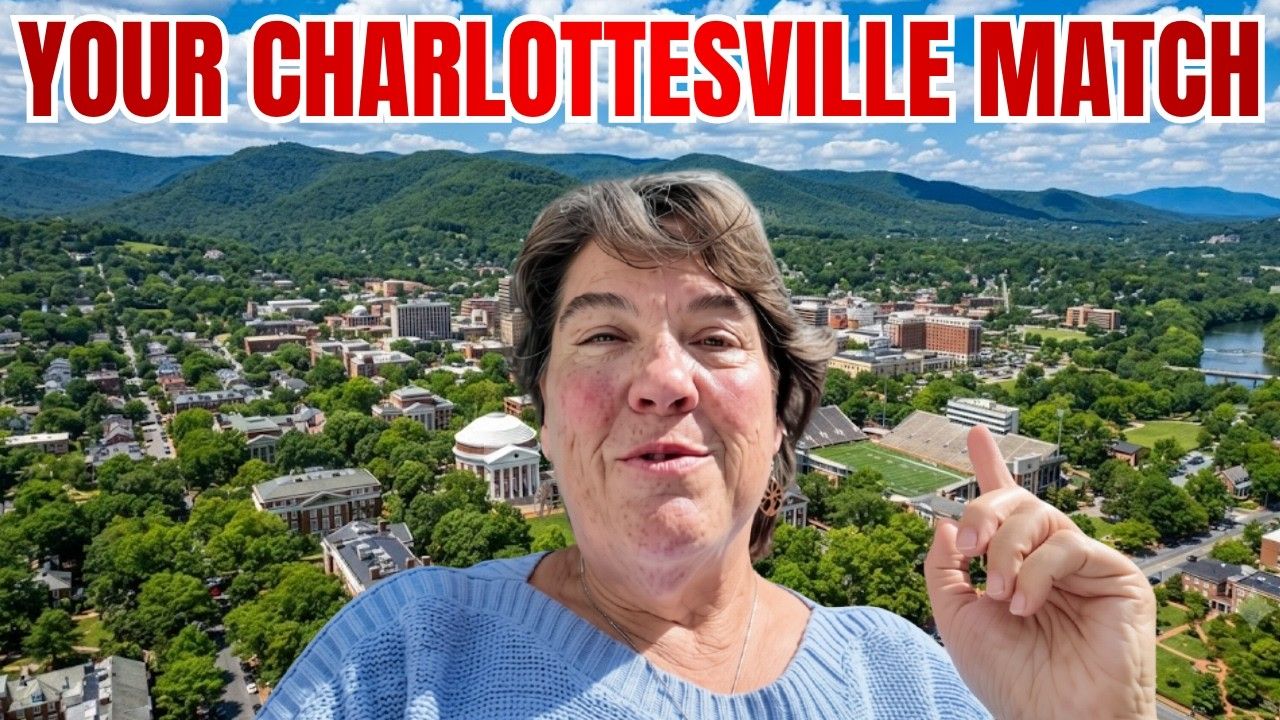
If you're thinking about moving to Charlottesville, Virginia, you've probably already come across homes in Crozet, Pantops, Forest Lakes, and Earlysville while browsing online listings. But knowing the names of these communities is very different from understanding where they're located, how far they are from downtown, and what everyday life is actually like in each area. Some offer walkable neighborhoods and convenient shopping, while others provide mountain views, larger properties, and more privacy.
I've grown up in Central Virginia, raised my family here, and watched the Charlottesville area develop over several decades. Although the City of Charlottesville covers just 10 square miles, the greater Charlottesville area extends well into Albemarle County and surrounding communities, giving buyers far more options than they might initially expect. And there's more to choosing the right home than what you see in a Zillow listing. A beautiful property might be next to a busy student rental, while another might involve winding mountain roads and a much longer commute to everyday conveniences than you anticipated.
In this Charlottesville relocation guide, I'll walk you through the major neighborhoods and communities surrounding the city, from Downtown Charlottesville and the Route 29 North corridor to the western communities near the Blue Ridge Mountains, the estates of Eastern Albemarle, and the often-overlooked southern areas. We'll look at typical home prices, commute considerations, nearby amenities, and the lifestyle each location offers. My goal is to help you understand not just where to find a house in Charlottesville, but which area actually fits your budget, priorities, and everyday lifestyle. Because one of the biggest mistakes relocating buyers can make is choosing the house before choosing the right location.
Table of Contents
- Downtown Charlottesville
- Belmont
- North Downtown
- University of Virginia Area
- Greenbrier
- 29 North Corridor
- Crozet
- Ivy
- Pantops
- Keswick and Eastern Albemarle
- Southern Albemarle and 5th Street Area
- Lake Monticello
- Understanding the Major Roads and Commute Patterns
- Schools: Separate Systems and Shifting Boundaries
- Which Area of Charlottesville Is Right for You?
- Conclusion
Downtown Charlottesville
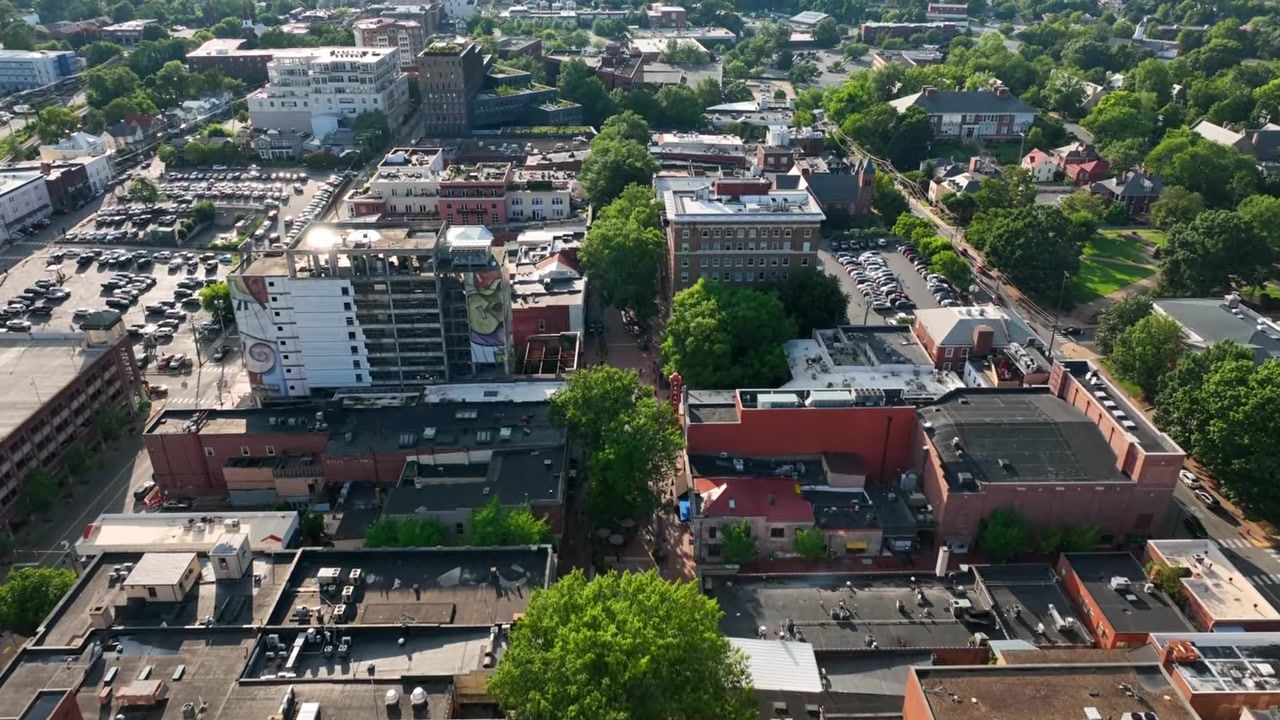
The historic downtown and pedestrian mall area is where a lot of our community and social events happen. If you love being able to walk out your front door, grab dinner, enjoy coffee, listen to live music, or browse local shops, this is a place to leave high on your list.
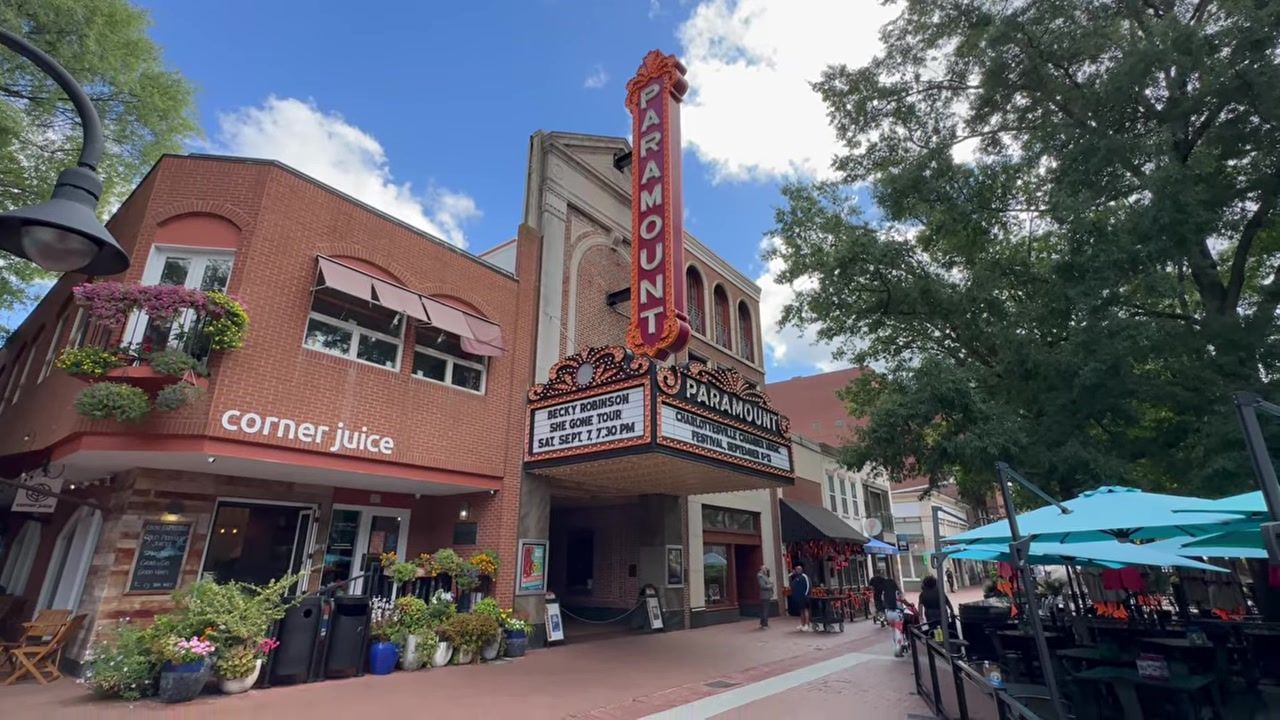
The downtown mall is a pedestrian-only mall, which is something you don't find in every city. You've got restaurants, shops, the Paramount Theater, and the Ting Pavilion. I saw Willie Nelson perform at the Ting Pavilion about a month ago. I'm not a huge Willie fan, but I really enjoyed it. Lots of concerts, lots of social events. This entire area is packed into a small space and full of character.
Pricing downtown varies tremendously. You can find some condos for a couple hundred thousand, but then you're paying condo fees every month of around $500. Homes in the downtown area generally start around $400,000 and go well over $1 million depending on size, condition, and exact location. The city of Charlottesville is set up on a grid pattern like Washington, D.C. and the zip code is 22901.
Here's the trade-off. You may be paying for location and walkability while getting a smaller yard, an older home, and less parking. If you want to walk to dinner three nights a week, this is perfect. But if you want a two-car garage and a big backyard for your dogs, the city of Charlottesville is probably not where you're going to be looking. You'll be moving a little bit farther out.
Parking can be limited. Street layouts and lot sizes can be very different from what you might be used to in a suburban neighborhood. But if your idea of a great Saturday is walking from your house to different restaurants and coffee shops, downtown Charlottesville delivers that lifestyle better than anywhere else in the area.
Belmont
Just south of downtown Charlottesville, Belmont has become a very popular neighborhood for people who enjoy older homes, neighborhood restaurants, and proximity to downtown. It has changed dramatically since I was growing up here.
You'll find everything from small historic homes to beautifully renovated properties, some dating back to the late 1800s. There's also some newer infill construction. I've seen brand new townhomes in the $500,000 range by a great builder near the university. You can still find some smaller, older homes, what I call cinder block bungalow homes, in the $400,000s. But when you start getting into homes that have been remodeled or are in better condition, you're looking at $700,000 to $900,000, and you can easily go over a million.
Belmont offers character and walkability to downtown. But parking lot sizes and street layouts can be very different from suburban neighborhoods. This is an older neighborhood with its own quirks. If you're coming from a place where every house has a driveway and a two-car garage, Belmont might feel tight. But if you want to be able to walk to downtown and still have a detached home with some yard, Belmont is worth exploring.
North Downtown
North of the pedestrian mall, the North Downtown area offers another kind of city living with beautiful historic architecture and convenient access to the downtown mall. This is a very popular area, more historic in feel.
You're looking at starting just shy of a million dollars and going upwards easily over multiple millions. There are some condos you can get for a couple hundred thousand, but then you have condo fees every month of around $500. So the entry point exists, but most of the housing stock here is expensive and historic.
If you love the idea of living in a beautifully preserved older home within walking distance of everything downtown has to offer, North Downtown is one of the most desirable areas in Charlottesville. But you're paying a premium for that location and that architecture.
University of Virginia Area
The University of Virginia sits on the west side of Charlottesville, and this area has a very different energy. You've got students, faculty, healthcare professionals, restaurants, and university activities. UVA is one of our largest employment centers along with UVA Health. Routes 250 and 64 dump you onto 29 right into the University of Virginia area.
People sometimes assume that being close to UVA means living in a student neighborhood. That's not necessarily true, but obviously the closer you are to the university, the more likely that is. There are a few established neighborhood pockets throughout the area, but you need to understand exactly what and where they are. This is not a huge area, remember, Charlottesville is only 10 square miles.
You may think a house looks like a fairytale online, but I will tell you if the house next door is a frat house playing beer pong at all hours of the morning. I've grown up here, and I will be brutally honest about what you're getting into.
Pricing varies tremendously around the university. You can find some smaller homes and condos, but you can also spend well into the millions depending on the property. The key is knowing the exact location and what kind of neighborhood surrounds it. If you're working at UVA or UVA Health and you want a short commute, we can find you something that works. But we need to be very specific about where we're looking.
Greenbrier
Greenbrier is one of my favorites to show people who appreciate mature trees, a traditional neighborhood, and being close to just about everything. This is an established residential neighborhood in the northern part of Charlottesville along Route 29.
Greenbrier holds Charlottesville High School and Greenbrier Elementary School. You can walk to Whole Foods Market from many homes in this neighborhood. So if you're one of my Whole Foods people, this is a really nice established area. These are not cookie-cutter new construction homes. You're going to see different architectural styles, established landscaping, and homes built over several decades.
Depending on the size and location, homes in Greenbrier start around $500,000 and can touch the million-dollar range. You're getting mature trees, a traditional neighborhood feel, and proximity to shopping and schools. It's close to everything without feeling like you're in the middle of the city.
29 North Corridor
Route 29 is our major north-south commercial spine. It's also called Seminole Trail and a bunch of other names, but you don't have to change roads, the road names just change. This entire corridor is where you're going to find a tremendous amount of shopping, restaurants, and groceries. You'll also find a ton of residential development, and this area is sprinkled with brand new construction.
Along 29 North, you've got neighborhoods like Carrsbrook, Woodbrook, Forest Lakes, and Hollymead. Some of these older established neighborhoods like Woodbrook and Carrsbrook don't have required HOAs. Anything like Dunlora, Dunlora Village, Belvedere, or Dill Meadows is definitely going to have an HOA.
One of the big advantages of the 29 North Corridor is convenience. The Charlottesville-Albemarle Airport (CHO) is less than 10 minutes from many areas along this corridor. If you travel frequently for work or enjoy getting away, that proximity is worth considering. You've also got the UVA Research Park up in the Piney Mountain area, nobody calls it Piney Mountain, but that's where the research park is. For my military folks who might be PCSing here, Rivanna Station is in this area as well.
You'll find a mix of offices, healthcare, retail, technology, and other employers along 29 North. There's a wide variety of homes: established single-family homes, brand new townhomes, and 2-over-2 condos. As you move north toward Forest Lakes, you start seeing new construction literally right off of 29.
Here's the trade-off. Route 29 can get congested, particularly around major intersections, especially during commuting hours. The farther north you go and the closer you get into the city, the worse it gets. This is why I always ask relocation buyers where they're going to be spending most of their time. It's not just about going to work. Where are you going to buy groceries? Where are the kids going to school and after-school activities? Where are you going to the gym? Where are your friends going to be? All of those are just as important when you're dealing with the commute.
The average commute in this area is 15 to 18 minutes. A house that is 12 miles away isn't necessarily a quick commute, and a house that is 5 miles away isn't necessarily convenient either. Sometimes changing or tweaking your search just a few miles can make a huge difference in where we're looking.
Dunlora
Dunlora is an established older neighborhood along 29 North. Most of the homes were built in the '80s and '90s, maybe into the early 2000s. You'll also find Dunlora Village and Belvedere nearby, which are newer developments with HOAs. Dunlora itself offers a variety of homes in a convenient location, but it's not brand new construction.
Forest Lakes
As you continue north along 29, Forest Lakes offers brand new townhomes and 2-over-2 condos. You can find new construction literally right off of 29 in this area. If you want newer housing with easy access to the airport, shopping, and the northern employment centers, Forest Lakes is worth exploring.
Crozet
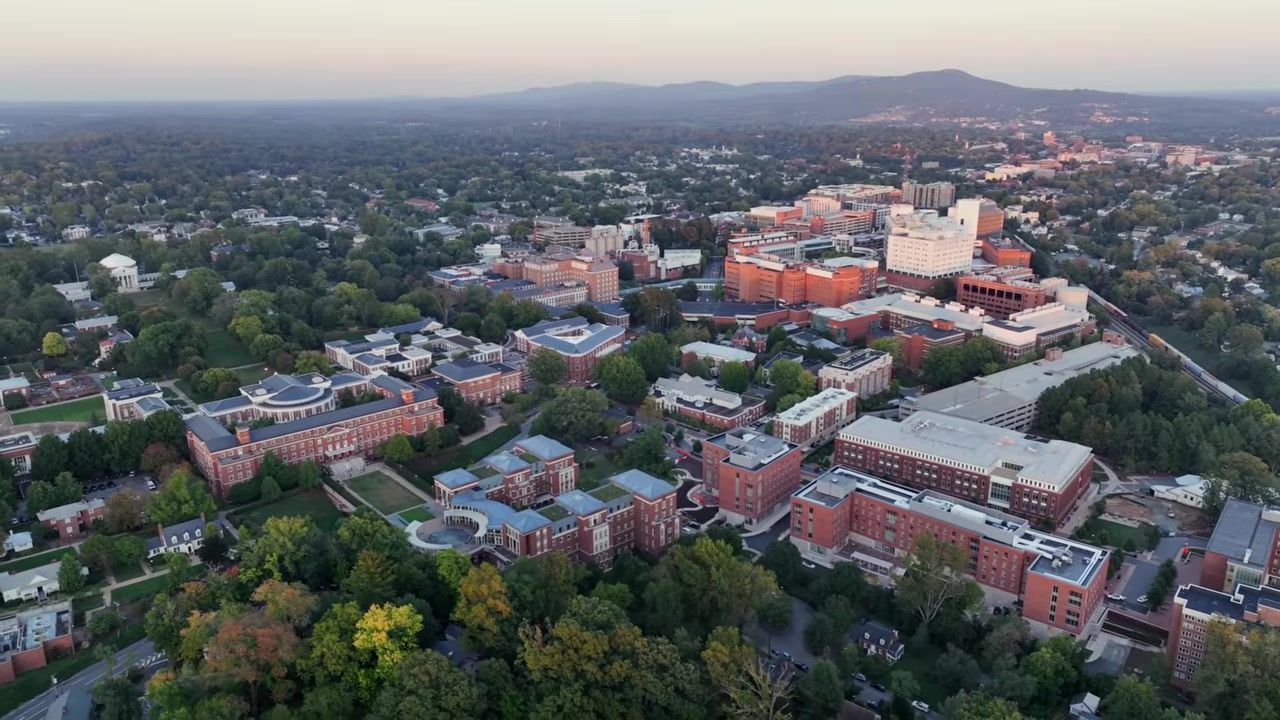
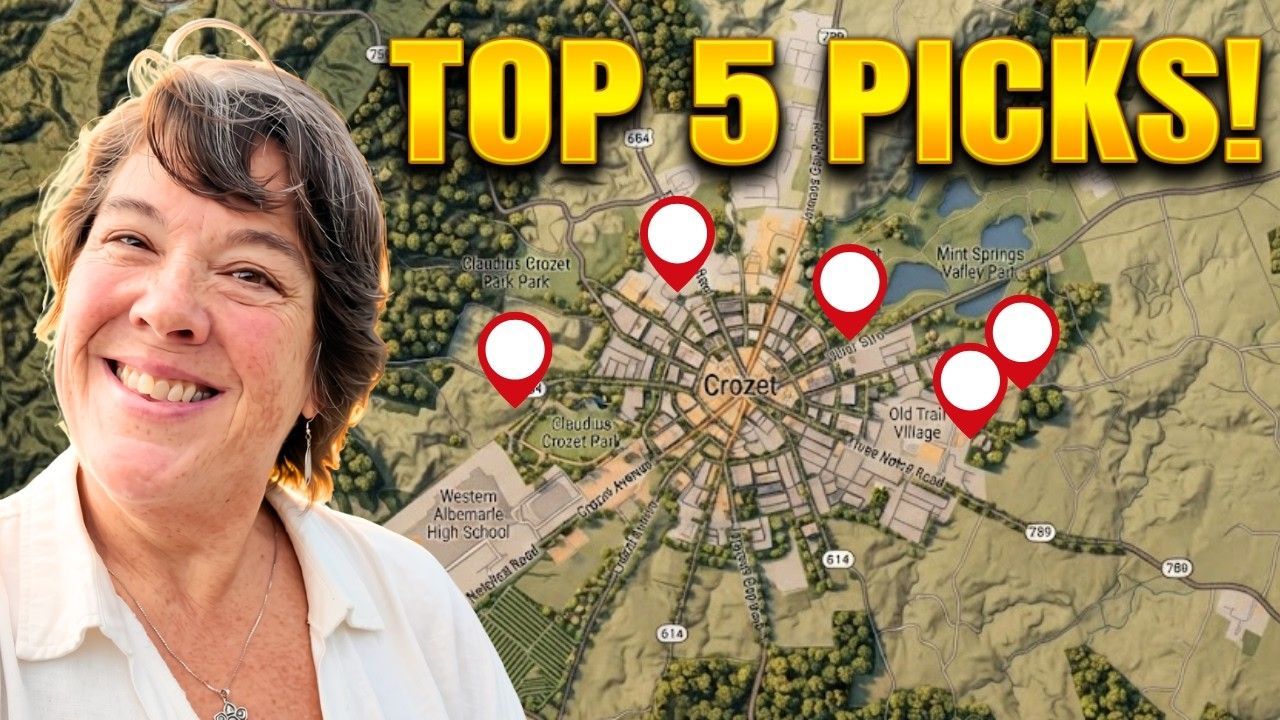
Crozet sits at the foot of the Blue Ridge Mountains, roughly 20 to 30 minutes west of Charlottesville in normal driving conditions. Route 250 leads you into Crozet, but first you go through Ivy. If you're way out past Mint Springs, you're looking at closer to 30 minutes with a lot of two-lane roads. But in general, Crozet is 15 to 20 minutes outside the city of Charlottesville limits.
Here's one of the reasons I love Crozet: it has its own identity. Downtown Crozet has local restaurants, Crozet Pizza is right there, shops, parks, a farmers market, and a real sense of community. It's not just another suburban extension of Charlottesville. A small part of Crozet actually has a Crozet zip code, but this entire area is what we call Crozet.
Crozet is a designated growth area, and it has gotten very compact and very built up in the last 10 to 15 years. It's finishing up growing, but there are still three more neighborhoods coming on. There are lots of new communities and infill construction along Jarman's Gap Road. You'll also find established Crozet neighborhoods that may offer larger yards and a different feel.
As a general budget, townhomes and homes in the broader Crozet area start in the upper $400,000s and go comfortably into the $600,000s. Some detached homes in sought-after communities start at $600,000 and go easily into the million-dollar range. These are not fixed brackets, but they'll give you a general idea.
Not every home in Crozet has the same level of walkability. Some neighborhoods are very walkable within the community; others are more spread out. We need to look at the specific location within the neighborhood to understand what you're getting. But if you want mountain views, a sense of community, and your own downtown area while staying relatively close to Charlottesville, Crozet is a fantastic option. It now feels much closer to Charlottesville than it used to.
Old Trail
Old Trail is one of the best-known communities in the area because it's one of the largest. It offers a mix of housing styles: townhomes, detached homes, larger properties, apartments, and villas. A villa is a single-level attached home, like a townhouse but single-level living.
Old Trail has a village center with restaurants and businesses, a golf course, and walking connections within the community. You get stunning Blue Ridge views from many homes. Detached homes in Old Trail start around $600,000, and you can easily spend into the $1 million range depending on size and location.
Old Trail Drive is very long and connects with another road between Route 250. This is a very large, very established neighborhood. For somebody who wants newer housing in a neighborhood where they can enjoy walking to certain amenities, Old Trail can be a great option. But keep in mind, not every home in Old Trail has the same level of walkability. I always encourage buyers to look at the specific location within the neighborhood.
Ivy
Between Crozet and Charlottesville on Route 250, Ivy is often sought after because of its close proximity to UVA. But Ivy itself has nothing else. There's no shopping, no amenities per se. It is very expensive. A teardown can be $700,000 to give you an idea. Most homes in Ivy fall in the $600,000 to $1.5 million range.
Ivy tends to attract people with more specific requirements or needs: space, privacy, a beautiful Western Albemarle setting while staying relatively close to town. If you want those things and you're willing to pay for them, Ivy can be wonderful. But a lot of people just go 10 minutes farther and end up in Crozet, where they get more house and more community for the money.
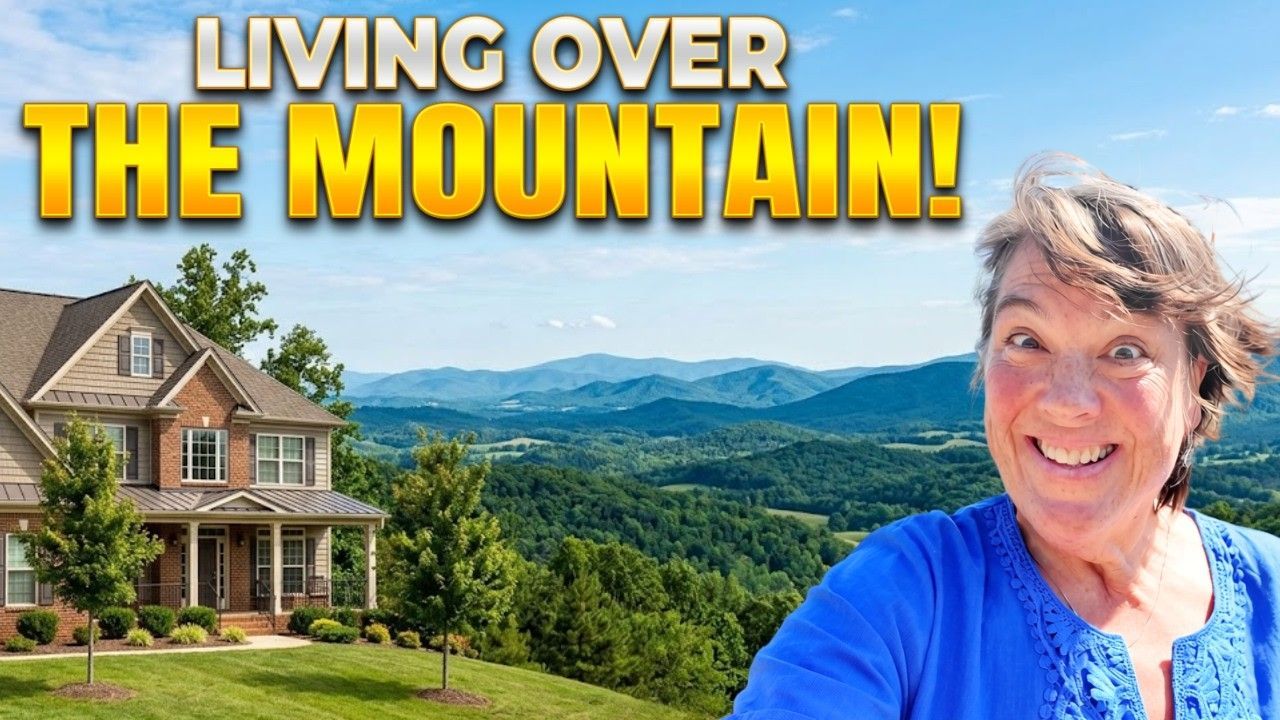
The farther west you go into Crozet and toward Afton, you'll also find some incredible mountain scenery and rural properties. I have dear friends who moved from Hawaii to Afton because they wanted that unmatched mountain setting. They bought an existing home and are renovating it, and I can't wait to see what it looks like when it's done.
This is where I want to caution you about searching strictly by price and square footage. A home with gorgeous mountain views might also mean a winding road, a steep driveway, wells and septics, and a longer drive to everyday conveniences like groceries or doctor's offices. None of this is necessarily bad. It's all relative. You just need to know what you're choosing.
Pantops
Pantops is just east of downtown Charlottesville across the Rivanna River. Once you get onto Pantops, you're back in Albemarle County, you've already left the city. One of the biggest advantages of being here is the conveniences. You've got grocery stores, restaurants, medical offices, and shopping. Sentara Martha Jefferson Hospital is located on Pantops, and there's a ton of medical and financial offices in the area.
You can dip down into the city of Charlottesville relatively quickly depending on traffic. If you need to jump on I-64, you can do that easily. There's a variety of housing around the Pantops area, including townhomes, condos, apartments, and detached homes. Some of the residential areas offer beautiful, stunning views. One of my favorite views of the mountains is coming toward Charlottesville down from the top of Pantops. The horizon view is stunning.
Pantops feels much more like a concrete jungle compared to the western side of town. It's super convenient, but it doesn't have the same character or mountain-town feel that Crozet has. It's more about convenience and access.
One thing you're going to want to pay attention to is the stretch of Route 250, particularly around the Free Bridge area. That's called Richmond Road on this section. During peak commuting times, traffic can be a bear going and coming. So if you're considering a house on the east side but you're going to be commuting to UVA, we need to talk about that. You could still do it, I think I'd hop on I-64 and pop off over at UVA, but we need to plan for that commute.
Keswick and Eastern Albemarle
As we move farther east along Route 250 and I-64, we get into Keswick and the broader Eastern Albemarle area. This is where you find an entirely different mix of neighborhoods and lifestyles. This area has never been a designated growth area, and I can't imagine it would be. There are some newer developments going in by quantity builders in Keswick, don't let the address fool you, but this is where you're getting into horse country.
You'll find beautiful estates, rolling hills, and some spectacular properties. But there are also some smaller homes and older properties, so don't assume everything in Keswick is a multimillion-dollar estate. A lot of it is, but not all of it. Homes in this area easily fall in the million-dollar range, but you can find some smaller homes and older properties as well.
If you want privacy, beautiful scenery, and room to spread out, Eastern Albemarle can be absolutely wonderful. But if your idea of a great Saturday is walking from your house to different restaurants and coffee, this is not going to be the area. That lifestyle difference is a big reason we need to chat before you start looking at houses.
Glenmore
Glenmore is an established gated community in Albemarle County with a variety of detached homes and larger properties. The average median price is probably around $1.3 million. You easily have properties that are 21 acres in Glenmore and cost multiple millions.
It's a very different setting from downtown Charlottesville. You've got more of a country club atmosphere, beautiful landscaping, a residential environment, and a very active HOA. Glenmore feels very removed from the city of Charlottesville. If you want that country club feel and you have the budget for it, Glenmore is one of the premier communities in the area.
Southern Albemarle and 5th Street Area
Heading south from Charlottesville along Route 29 South and Route 53, you get into an area that I think relocating people sometimes overlook. Depending on your budget and what you're looking for, it can be worth exploring if you want to stay close to the Charlottesville area.
First, you've got the 5th Street Station area. 5th Street Station is one of our largest, newest shopping destinations, and it's where Wegmans is. I love me some Wegmans. I live north of town, and I drive to Wegmans, it takes me 15 minutes. It's not that far. So this 5th Street area offers a lot of shopping convenience.
You're also close to I-64, which can matter if you travel toward Richmond or toward Waynesboro. You've got access to lots of green space, parks, and trails. Biscuit Run Park has walking trails, hiking trails, and biking trails, and it's only expanding. For someone who wants to be close to Charlottesville but doesn't necessarily need to feel like you're in the city, this can be an appealing area.
There's huge mixed housing in Southern Albemarle. You can find homes in the $350,000 to $750,000 range depending on size, age, and location. This area offers a lot of variety, and it's worth exploring if you want to stay close to Charlottesville without paying downtown prices.
Southwood
Southwood is a really cool neighborhood with new construction. It's not your typical subdivision. It's a major neighborhood redevelopment creating a mixed-in community with a variety of housing. They're doing market-rate housing and incorporating it with Habitat for Humanity.
You can get newer construction with community planning and market-rate pricing while remaining really close to downtown Charlottesville, UVA, and the shopping along 5th Street. I think there's a new builder coming in, but traditionally Southwood has had quality builders.
Southwood is a good example of why you need to actually look at the builder floor plans, the lots, and the price rather than assuming all new construction is the same. We have quality builders, and we have builders I would not wish on my worst enemy. I want to make sure you're protected. Even if you don't work with me, make sure you're working with a reputable realtor on your behalf when you're looking at new construction. The people in the model homes are working for the builder. A lot of them are great and wonderful, but they're looking out for the builder. They're not looking out for you.
Lake Monticello
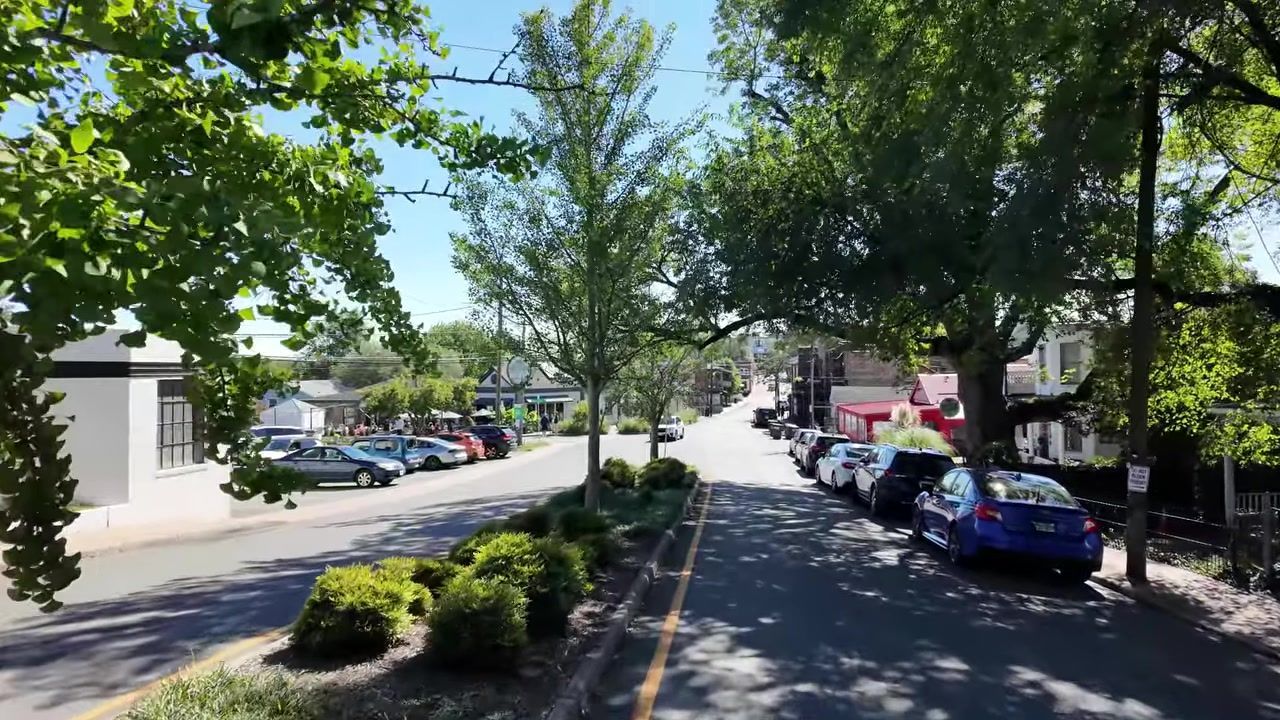
Lake Monticello is not Albemarle County. This is Fluvanna County. It's a large gated community, predominantly gated, though there are some outside areas that are not gated, built around a very large spring-fed lake. The community includes beaches, recreational facilities, and golf.
For folks who are looking for a detached home with a yard at a lower price point than some things closer to Charlottesville, Lake Monticello is definitely worth considering. It's predominantly, I'm going to say 98 percent, detached homes. You've got a good handful that fall in the $300,000 to $500,000 range. You can find more expensive homes, particularly on the water, but the broad planning range is much more affordable than closer to Charlottesville.
Here's the trade-off: you're farther away from Charlottesville. Depending on your destination and traffic, that could be as little as 15 minutes to Pantops or 40 minutes if you're going up toward Rivanna Station. Route 53 goes out through Simeon all the way into Fluvanna, and Lake Monticello is right off Route 53.
You can get a detached house for $300,000 in Lake Monticello. That's a very different vibe, a different community, and a different county. One of the first things I ask my buyers is: would you rather spend money to be closer to town, or more time driving to get the house and the space you want? There's no universal right answer. The sooner we figure it out, the better.
Understanding the Major Roads and Commute Patterns
Before we start looking at individual houses, you need to understand how this entire area is laid out. The major roads are your grid, and they dictate how you'll move around the area every day.
I-64 runs east to west just outside the city of Charlottesville. It crosses over the Blue Ridge Mountains to the west and goes to Richmond and the beach to the east. Route 250 also runs east-west and actually cuts through Charlottesville. It's one of our main roads within the city. Route 250 helps connect many of our communities through and around the city.
Route 29 is our major north-south corridor. It's called Route 29, Seminole Trail, and about 12 different other things, but you don't have to change roads, the road names just change. This is where you find a tremendous amount of shopping, restaurants, groceries, and residential development.
Route 20 goes all the way up and down, but most often people are using it to get down into Scottsville. Route 53 exits near Monticello and goes all the way out through Simeon into Fluvanna. Lake Monticello is right off Route 53.
If there's nothing else I want you to remember, it's this: Route 29 is our major commercial spine, I-64 is our regional east-west connector, and Route 250 helps connect many of our communities through and around the city. But the roads you will use every day are going to be very dependent on where you choose to live.
If you're moving here for a job, I want you to locate your actual workplace on the map before we start looking at houses. Things can sound very close together and very easy, but I was just working with somebody who was at National Ground Intelligence at Rivanna Station, and they wanted to live in Louisa. That is a 45- to 60-minute drive with no direct routes. You can cut through and do some sidestepping, but Rivanna Station is way up north, and Louisa is way over to the east. There's just no direct path.
Our average commute is 15 to 18 minutes. If you tell me you don't mind commuting up to an hour, that means you could live in the outskirts of Richmond, Staunton, or Harrisonburg. Saying an hour is really far for most of our commuting. Sometimes changing or tweaking your search just a few miles can make a huge difference in where we're looking.
Schools: Separate Systems and Shifting Boundaries
Remember earlier when I told you a Charlottesville mailing address doesn't necessarily mean you're living in the city of Charlottesville? This is where that distinction becomes especially important.
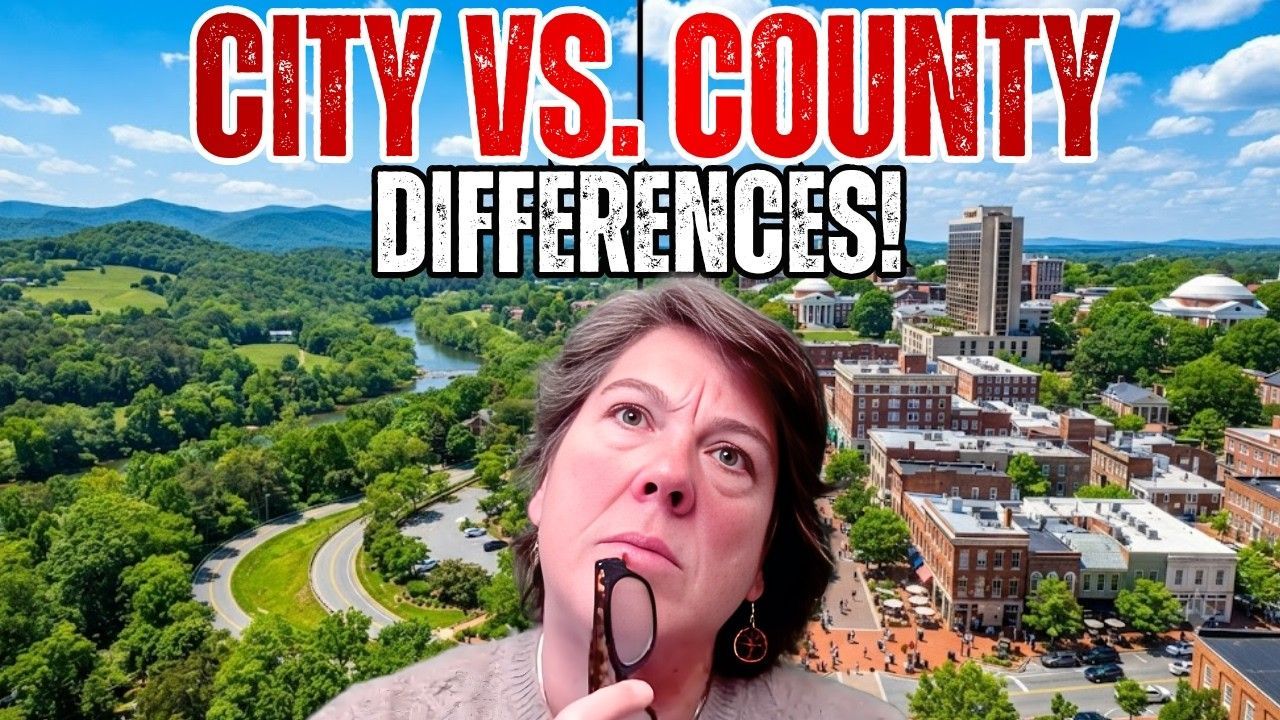
Charlottesville City schools and Albemarle County Public Schools are two separate systems. Charlottesville, Fluvanna, Albemarle, and Greene are all different systems. Within the city of Charlottesville, students will attend city schools, including Charlottesville Middle School and Charlottesville High School. In Albemarle, you're going to have schools such as Western Albemarle in Crozet, Albemarle High School on the northern 29 corridor, and Monticello High School along the southern feed.
All of them, I'm going to say in general, are very highly regarded. There has been some recent kerfuffle in Albemarle County's school system, not my job to sugarcoat or smooth anything over. I am befuddled how it could happen, but there's some serious stuff going down, and we're going to see the ramifications of that.
Where you live dictates what your elementary, middle, and high school are going to be. As you move into Greene, Fluvanna, or Louisa, don't just assume a home near a school is where your child is going to attend. It does not work that way. You cannot assume that. School boundaries change, and we need to make sure that if you have a particular love or interest in a school, you are zoned currently. Remember, zoning can change. Charlottesville students are not going to be sent to county schools, and county students are not going to be sent to Charlottesville schools. But we've seen boundaries shift, particularly in the northern and western corridors, because as a new neighborhood comes online and schools get full, boundaries shift.
We have a ton of great private schools as well: St. Anne's-Belfield, the Covenant School, Charlottesville Catholic School, and a school for neurodivergent students. We also have Piedmont Virginia Community College, which is amazing, and obviously UVA, a top public school.
When I'm helping someone relocate and schools matter, we look at the division lines. I encourage buyers to research the academic programs. I'm not going to be the one that says, oh, you need to go here or you need to avoid here, because every one of you is different with your kids, and you need to find out the school that is going to be right for you.
Which Area of Charlottesville Is Right for You?
Two people can have the exact same budget and end up in completely different parts of Charlottesville because they are looking for completely different lifestyles. One person might want an older home; another might want new construction. Somebody might prefer an acre in Earlysville. Someone else might want a 2-over-2 condo right on Route 29. We need to talk about your lifestyle first, and then we can look for your house.
Here's a very general breakdown by area and budget:
Downtown and Belmont: Urban lifestyle, walkability, character. Budget: $400,000 to over $1 million.
Greenbrier and Northern City: Established, convenient, mature trees. Budget: $450,000 to $900,000.
29 North (Forest Lakes, Hollymead): Quintessential suburban, new construction available. Budget: $450,000 to $850,000.
Crozet and Old Trail: Mountain views, community identity, established neighborhoods. Budget: $500,000 to $1 million.
Ivy and Earlysville: Privacy, larger lots, close to UVA. Budget: $600,000 to $1.5 million.
Pantops and Eastern Albemarle: Convenient, mixed housing, more concrete jungle feel. Budget: varies widely.
Keswick and Glenmore: Country club feel, estates, privacy. Budget: easily in the million-dollar range.
Southern Albemarle and 5th Street: Huge mixed housing, close to shopping. Budget: $350,000 to $750,000.
Lake Monticello: Different vibe, different county, detached homes. Budget: $300,000 to $500,000.
The really good thing is there are multiple areas that will probably fit your needs, whether it's price point, job commute, or preferred schools. This area is just not that big. But you need to narrow it down. If you're looking at Forest Lakes and Old Trail and the 5th Street area, that's a huge swath. Those areas have some similarities, but not a lot. I want to make sure you understand that.
One person might want an older home downtown where they can walk to dinner. Another person might want a brand new townhome right off Route 29 near the airport. Somebody else might want a detached home in Crozet with mountain views. All of those are valid choices, but they're completely different lifestyles. We need to talk about your lifestyle first, and then we can figure out which area makes sense.
Conclusion
That's your bird's-eye view of Charlottesville and the surrounding areas. Hopefully when you hear somebody mention Crozet, Ivy, Lake Monticello, Pantops, or any of these communities, you now have a sense of where they are and what kind of lifestyle they offer.
You can't just look at houses on third-party sites. You can't just pull up a house on Zillow and say, that's the one. You need to know much more. And that's where I come in. I've grown up here, I've raised my family here, and I want to help you make sure this is not a waste of your time and a very big budget spin.
I'm not the Chamber of Commerce. I'm not here to sugarcoat anything. Some areas are destined to be better than others for what you're looking for. I need to talk with you, figure that out, and then we can figure out if it's the right thing. But if you're thinking about moving to Charlottesville, Albemarle, Crozet, or anywhere in this area, I would love to help.
Whether you're moving next month or next year, let's start the conversation. Call or text me at (434) 218-3142. I want to make sure you end up in the right area, not just the right house.
FAQ
How far is Crozet from downtown Charlottesville?
Crozet is roughly 20 to 30 minutes from downtown Charlottesville in normal driving conditions. If you're closer to the Crozet downtown area, it's more like 15 to 20 minutes outside the city limits. If you're way out past Mint Springs, you're looking at closer to 30 minutes with a lot of two-lane roads. Route 250 is the main road that connects Crozet to Charlottesville.
What is the difference between Charlottesville City schools and Albemarle County schools?
Charlottesville City schools and Albemarle County Public Schools are two completely separate systems. If you live in the city of Charlottesville, your children will attend city schools. If you live in Albemarle County, they'll attend county schools. Fluvanna, Greene, and Louisa are all separate systems as well. Where you live dictates what schools your children will attend, and you cannot assume a home near a school means your child will go there. School boundaries change, especially as new neighborhoods come online.
Can I find a detached home for under $400,000 in the Charlottesville area?
Yes, but you'll need to look outside the city and the closer-in suburbs. Lake Monticello in Fluvanna County has detached homes starting around $300,000. Some areas in Southern Albemarle also have homes in the $350,000 range. The trade-off is you'll be farther from downtown Charlottesville and may have a longer commute depending on where you work.
Is Route 29 always congested?
Route 29 can get congested, particularly around major intersections during commuting hours. The farther north you go and the closer you get into the city, the worse it gets. But outside of peak commuting times, Route 29 moves pretty well. The average commute in this area is 15 to 18 minutes, so it's not terrible. You just need to plan for some congestion if you're commuting during rush hour.
What is the HOA situation in newer neighborhoods?
Newer neighborhoods like Dunlora, Dunlora Village, Belvedere, Dill Meadows, and Old Trail all have HOAs. Older established neighborhoods like Woodbrook and Carrsbrook generally don't have required HOAs. If you're looking at new construction or a master-planned community, expect an HOA. If you're looking at older established neighborhoods, you may not have one. We can check the specifics for any neighborhood you're interested in.
Do I need a car to live in Charlottesville?
If you live downtown or in Belmont and you work downtown or at UVA, you might be able to get by without a car or with just one car. Public transportation exists within the city and extends into the county, over the mountain to Waynesboro and Staunton, and over to Louisa. But the amount of service shrinks greatly outside the city. For most people living in the broader Charlottesville area, a car is necessary. If public transportation is a necessity for you, we need to keep that on our radar when we're looking at neighborhoods.
living in charlottesville
Pam Whorley is a dedicated REALTOR® who has lived and grown up in Charlottesville, bringing her extensive local knowledge and passion for the area to help clients find their perfect home. Whether you're buying, selling, or relocating, Pam’s personalized approach ensures a smooth and stress-free experience.