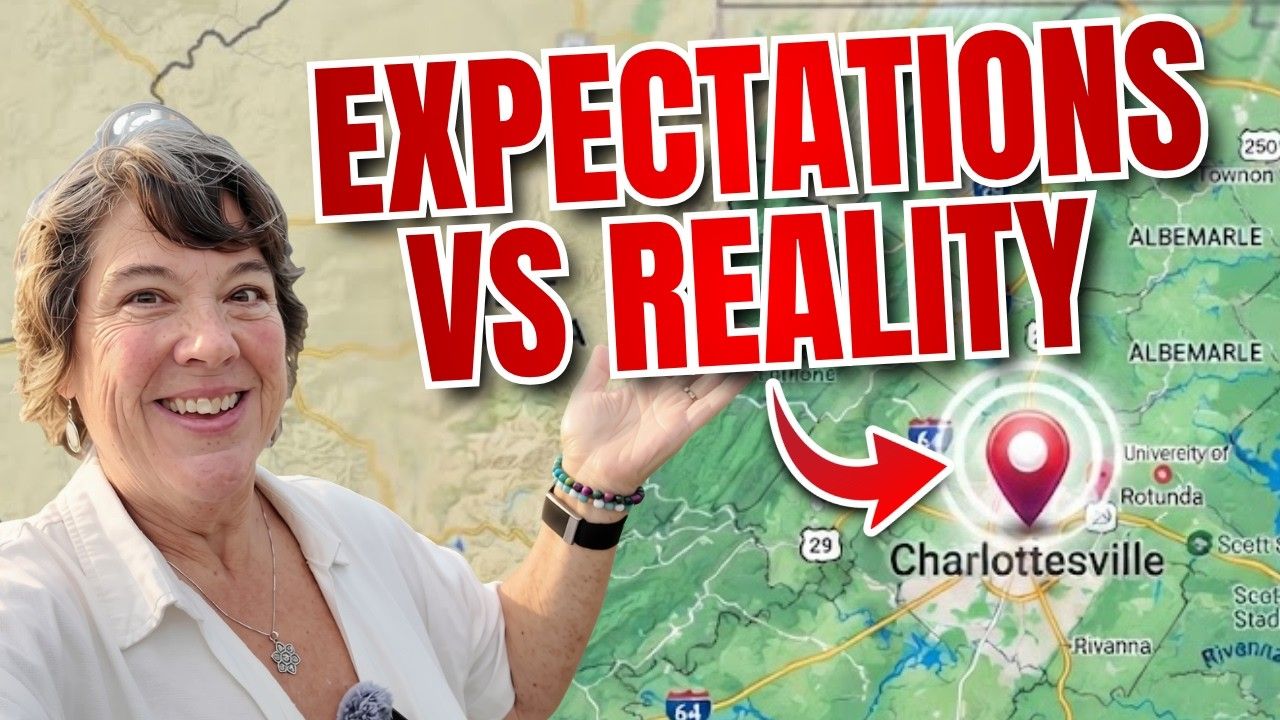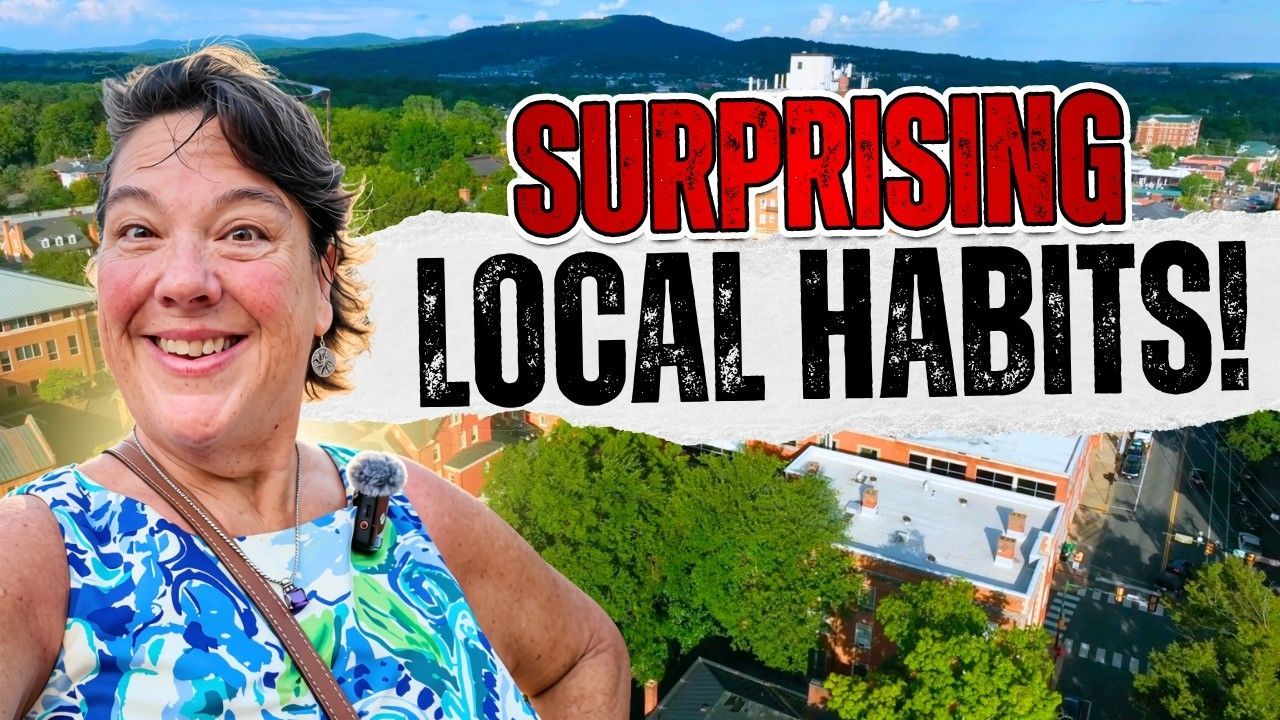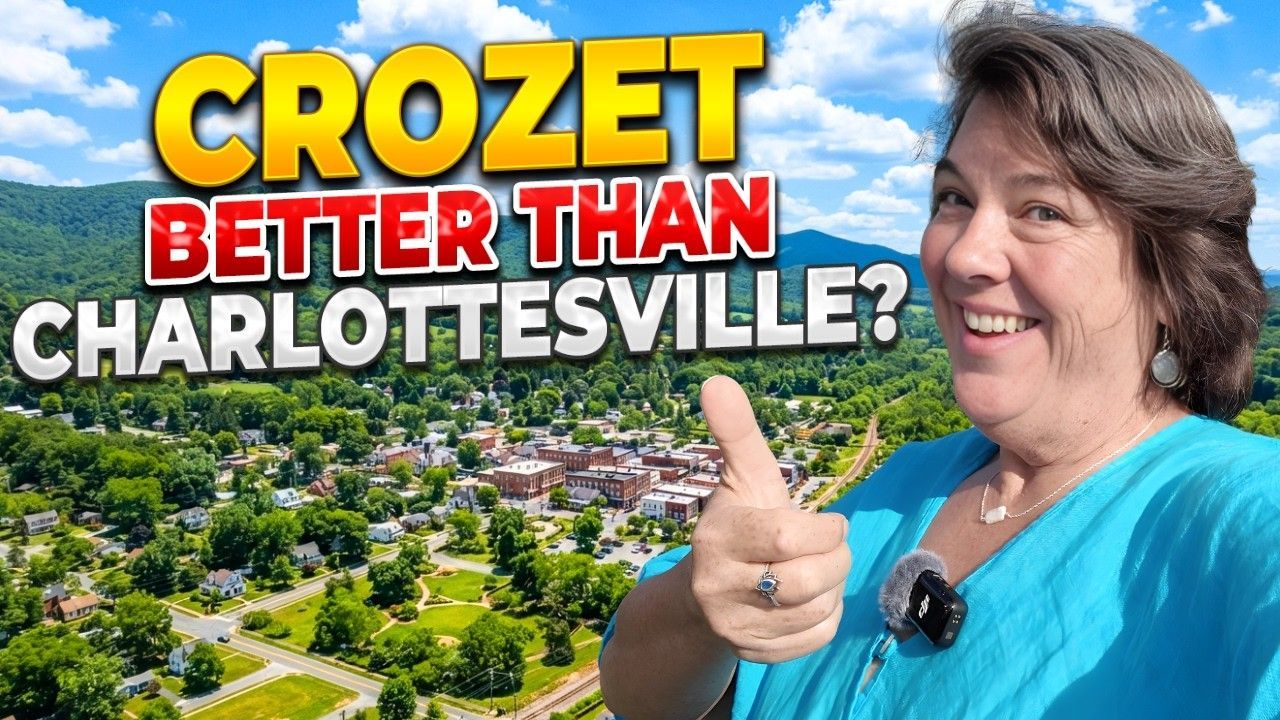
Living in Charlottesville VA is one of those things that makes a whole lot more sense once you understand how the roads, neighborhoods, shopping, and major employers actually connect. A map can tell you where a house is. It cannot tell you whether that five-mile drive will feel easy or make you want to throw your coffee out the window during rush hour.
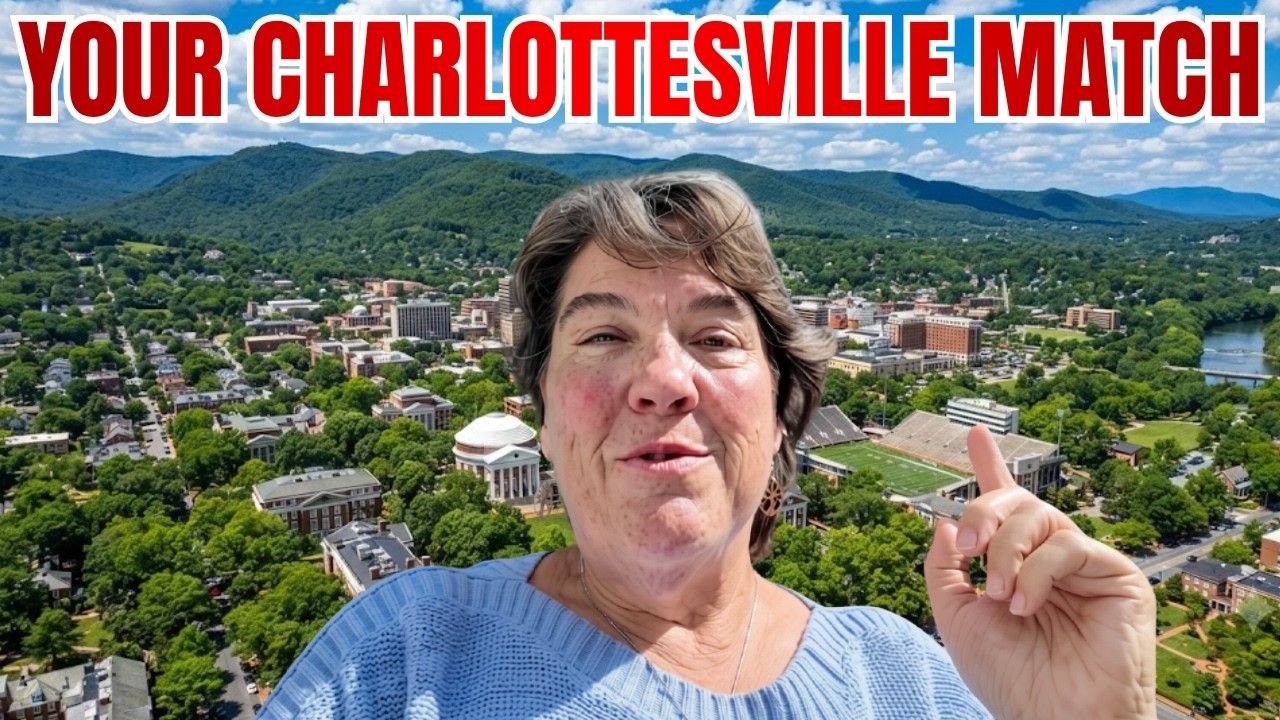
Charlottesville changes fast. You can come off I-64 into a busy suburban shopping area, cross the Rivanna River, find yourself surrounded by historic homes downtown, pass the University of Virginia and UVA Health, then head north into established neighborhoods, retail centers, and new construction. That mix is exactly what makes living in Charlottesville VA so appealing, and it is also why choosing the right location takes more than sorting homes by price and square footage.
Key Takeaways
- Pantops offers I-64 access, shopping, medical services, and varied housing in Albemarle County.
- Commute times depend heavily on route, time of day, UVA events, and parking, not just mileage.
- Downtown, UVA, Barracks Road, and Route 29 each offer distinct lifestyle and housing tradeoffs.
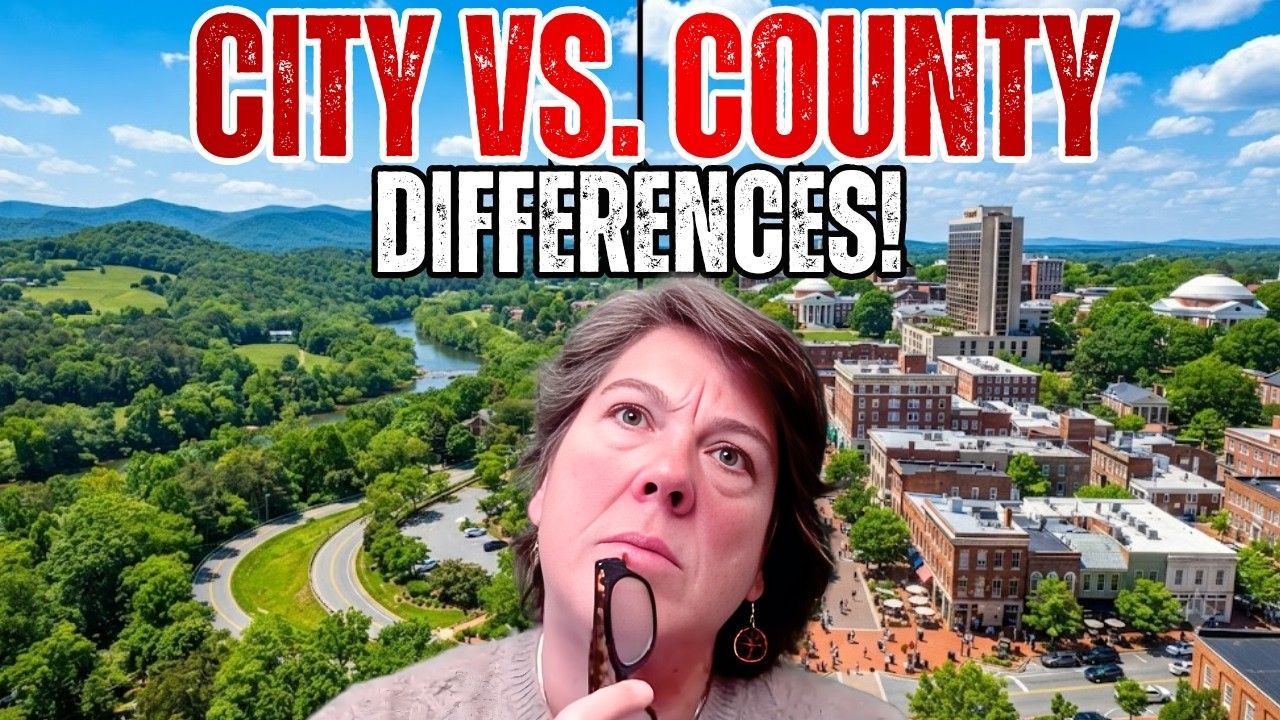
- City and county jurisdiction lines affect schools, taxes, and services when choosing a home.
Table of Contents
- Living in Charlottesville VA: Starting in Pantops
- Charlottesville VA Commutes: Why Mileage Matters Less
- Rivanna River and Charlottesville City Limits
- Downtown Charlottesville VA: Walkability and Tradeoffs
- West Main Street, UVA and UVA Health
- How UVA Shapes Living in Charlottesville VA
- Best Charlottesville VA Neighborhoods Near Barracks Road
- Route 29 and North Charlottesville Shopping
- New Construction in North Charlottesville VA
- Choosing Where to Live in Charlottesville VA
Living in Charlottesville VA: Starting in Pantops
Coming in from I-64 at Exit 124 puts you directly in Pantops. First thing to know, Pantops is technically in Albemarle County, not the City of Charlottesville. That distinction matters more than many relocating buyers realize because the city and county are separate jurisdictions with different schools, property taxes, and services.
Pantops is incredibly popular for people who want easy access to daily life. There are grocery stores, restaurants, coffee, banking, urgent care, medical offices, and the Sentara Martha Jefferson Hospital campus right in the area. It is also a very convenient location for anyone who travels often or commutes east toward Richmond, since I-64 is right there.
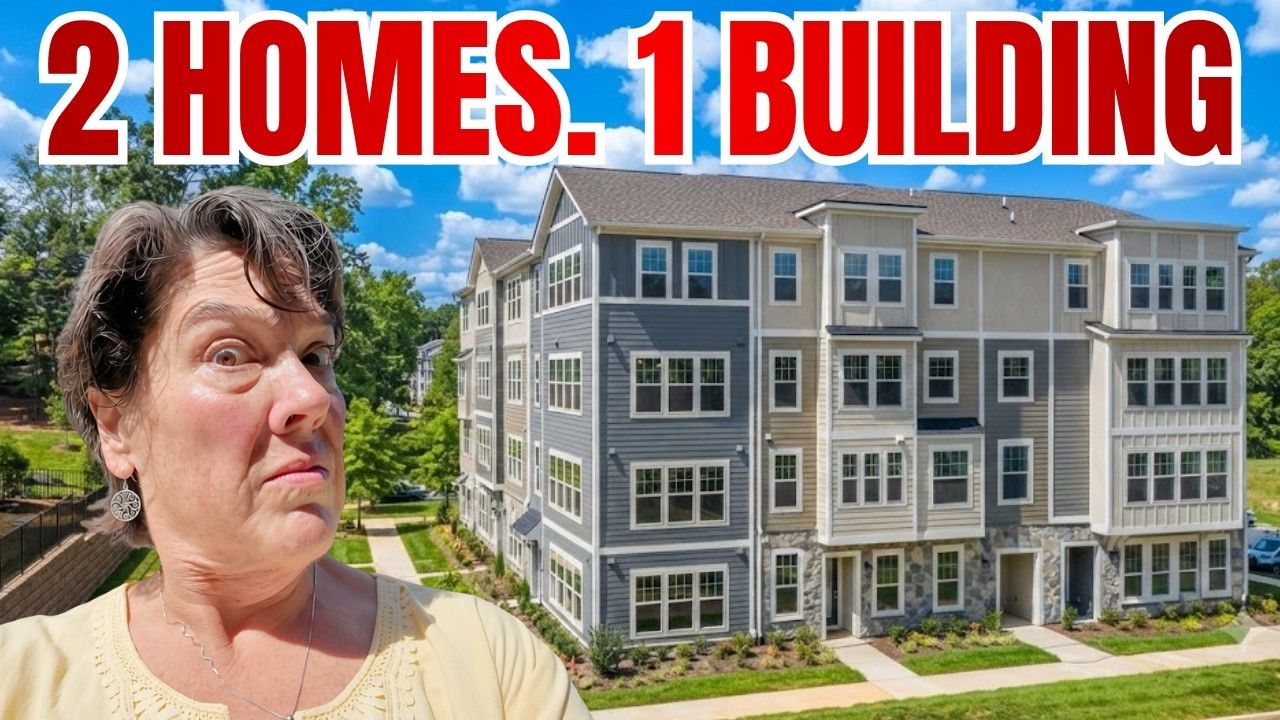
The housing mix is broad, which is one reason Pantops remains a frequent conversation for living in Charlottesville VA. You can find established neighborhoods, condos, apartments, townhomes, and newer construction. The Pavilions is one larger townhome community in the area. Nearby, communities such as Fontana, Cascadia, Riverside Village, and Franklin give buyers several different styles and price points to consider.
Head east on Route 250 and you move toward Keswick, Glenmore, and the Lake Monticello direction. Glenmore is a well-known gated community, while the broader eastern side of the area offers beautiful ridge views and a more scenic feel.
One small warning about the I-64 and Route 250 interchange, locally called the double diamond: it is simple if you stay in your lane, but it has a reputation. Some locals genuinely act like the thing was designed by the devil himself. You will figure it out.
Charlottesville VA Commutes: Why Mileage Matters Less
If you take only one practical lesson from living in Charlottesville VA, make it this: do not judge a commute based purely on mileage. Five miles in one direction can be very different from five miles in another direction, depending on the roads, the time of day, university events, hospital shifts, and where parking fits into the equation.
Charlottesville often feels compact. In ordinary conditions, it is possible to get between very different parts of town fairly quickly. But certain corridors can back up, especially around UVA, the hospital, downtown, and Route 29. Before choosing where to live, drive the route to work when you would actually be using it. That little bit of homework can save a whole lot of frustration later.
This is particularly important for people working at UVA Health, the region’s largest employer. A home five miles from the medical center might not produce a five-minute commute. Depending on the neighborhood, walking or biking could be easier than dealing with traffic and parking.
Rivanna River and Charlottesville City Limits
From Pantops, Free Bridge carries you across the Rivanna River and into the City of Charlottesville. Again, that line matters for housing decisions because simply crossing it can change the school district, property taxes, and services associated with a home.
The Rivanna is not just a line on a map. It is woven throughout the area’s history and recreation. There is river access, paddling, kayaking, and trails, including the Rivanna Trail that loops around the city. It is one of those features that makes living in Charlottesville VA feel more outdoorsy without requiring you to live way out in the country.
Once you come through East High Street, the character shifts quickly. The suburban commercial feel of Pantops gives way to older architecture, historic homes, medical offices, local businesses, and the activity of downtown. This fast transition is one of the things I love most about this area. You do not have to drive for an hour to experience a completely different setting.
Downtown Charlottesville VA: Walkability and Tradeoffs
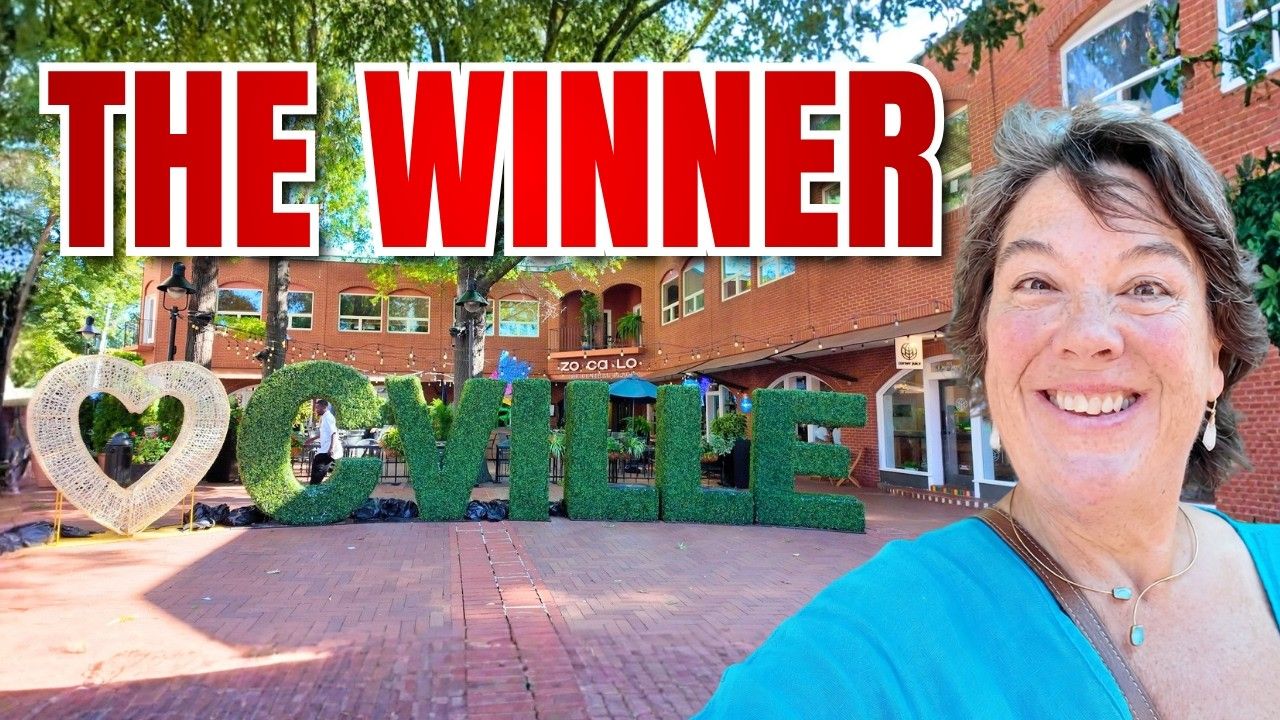
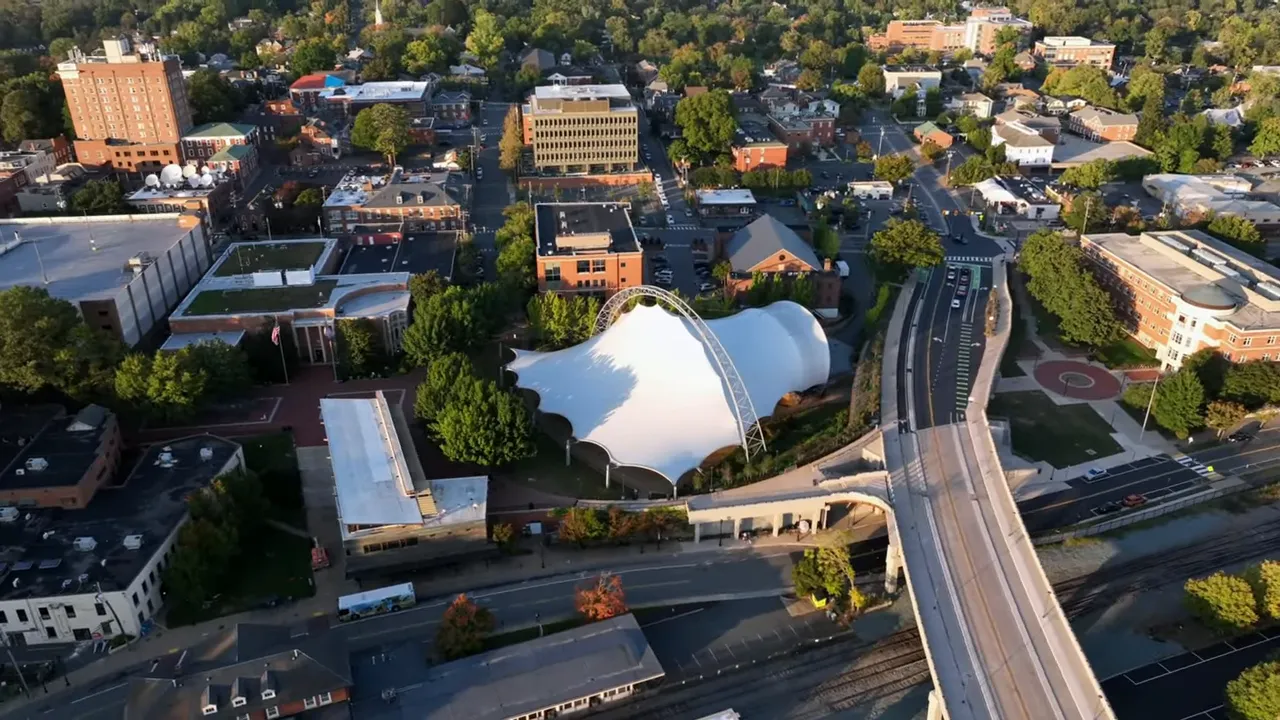
Downtown is one of the biggest draws for people considering living in Charlottesville VA. The Downtown Mall is a pedestrian mall lined with restaurants, shops, theaters, entertainment, offices, and local businesses. Ting Pavilion anchors one end, hosting concerts and the popular Fridays After Five series in the warmer months.
There are condos, apartments, historic homes, and nearby neighborhoods for buyers who want to be close to the action. The tradeoff is no mystery. Downtown living typically commands a premium for walkability, and parking needs to be part of the conversation before you fall in love with a place.
Downtown has a genuine local texture. You have the Jefferson Madison Regional Library, McGuffey Art Center, restaurants, older brick buildings, hotels, and little spots that give the city personality. It is lively, but it is not a giant city. That balance is a major reason downtown remains attractive for living in Charlottesville VA.
If convenience means stepping out for dinner, being close to events, or having a pedestrian-friendly setting, downtown can be a wonderful fit. If reserved parking, a garage, or a quieter street matters more, it may make sense to look a few minutes outside the center.
West Main Street, UVA and UVA Health
West Main Street connects downtown directly to the University of Virginia and UVA Health. It has gone through substantial development over the years, with hotels, restaurants, apartments, offices, mixed-use buildings, and Amtrak access all packed into one corridor.
This is a strong location for students, medical professionals, young professionals, and anyone who prioritizes walking or biking to work. The Amtrak station serves three major lines, another useful feature for those who value transportation options.
But here is the good, the bad, and the ugly:
- The good: Location and walkability. You are close to downtown, UVA, the hospital, restaurants, and transportation.
- The bad: Traffic can become congested during rush hour and major university events.
- The ugly: Parking can be difficult and expensive, depending on exactly where you live.
The UVA Medical Center area is especially important for relocation buyers. There is a mix of apartments, condos, and older single-family homes in surrounding neighborhoods. The right fit depends on your work schedule, tolerance for traffic, parking needs, and whether a walkable commute is a priority.
How UVA Shapes Living in Charlottesville VA
UVA is not a university sitting off by itself somewhere. It is woven into the community. The Academic Village and Rotunda are iconic landmarks, but the university’s influence runs deeper than pretty architecture.
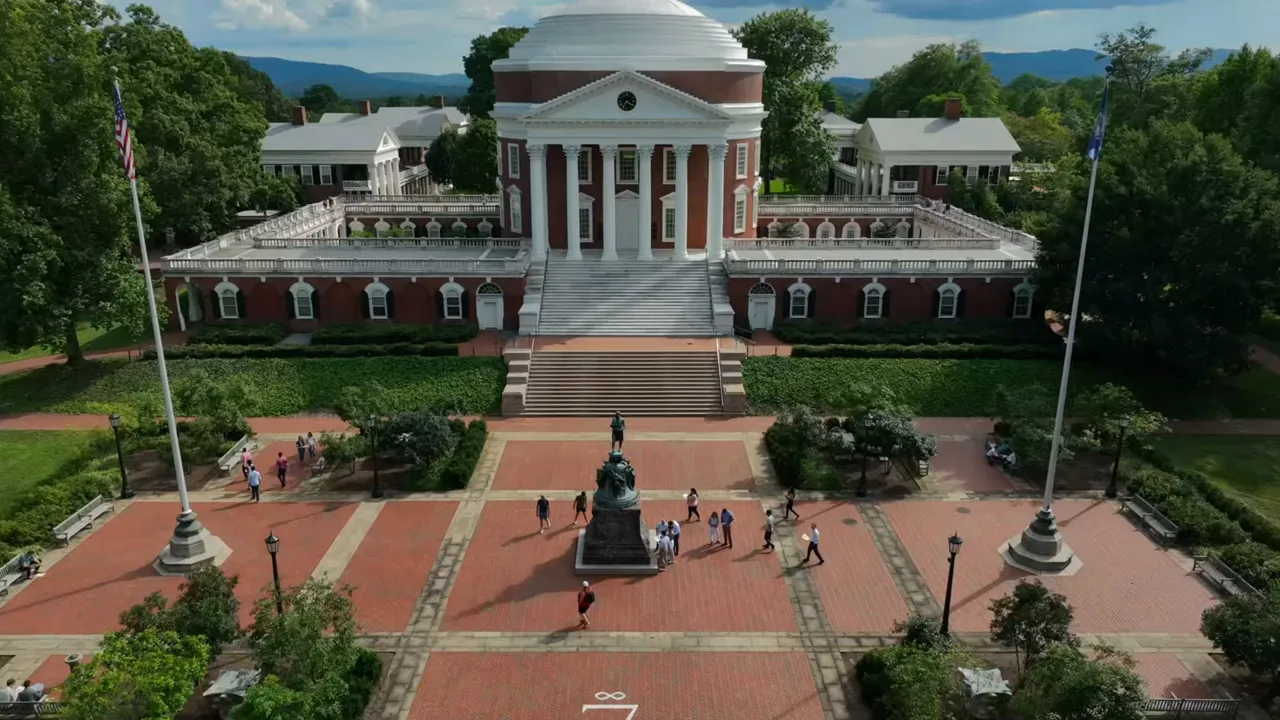
UVA influences the local economy, traffic patterns, housing market, culture, and the rhythm of the year. The Corner, just outside the university, is full of restaurants, shops, and businesses that serve the university community. It is lively during the academic year and can be especially busy on football weekends. Holy crumb, you definitely want to know your way around town then.
There is a noticeable seasonal change too. When students leave in the summer, the area quiets down. When they return in August, activity picks right back up. Anyone considering living in Charlottesville VA near campus should think about whether that energy feels exciting or exhausting.
Best Charlottesville VA Neighborhoods Near Barracks Road
As you leave the university area and head north on Emmet Street, also part of Route 29, you move into established residential and shopping areas. Rugby, Greenbrier, and surrounding neighborhoods are popular because they are centrally located and close to both UVA and everyday conveniences.
Barracks Road is one of Charlottesville’s original and most established shopping areas. It has grocery stores, restaurants, boutiques, coffee shops, Barnes and Noble, and plenty of services. It is incredibly convenient for daily errands.
When people ask about the best neighborhoods to live in Charlottesville VA, this broader area often comes up because it illustrates a classic real estate choice: older homes in prime locations versus newer homes farther out.
- Older, centrally located homes may offer charm, mature trees, and a five to ten minute commute.
- They may also have smaller closets, less square footage, fewer garages, or no garage at all.
- Newer homes farther from the city may bring larger closets, newer kitchens, two-car garages, and more space.
- The tradeoff is typically location and a longer or more traffic-sensitive daily drive.
There is no universal “better” choice. The best neighborhoods to live in Charlottesville VA are the ones that match how you live, where you work, and what you refuse to compromise on.
Route 29 and North Charlottesville Shopping
Route 29 is the major north-south commercial corridor through the Charlottesville area. This is where you will find much of the big-box retail, major grocery stores, Stonefield, Trader Joe’s, Whole Foods, Costco, the main post office, Home Depot, Rio Hill, Kroger, Lowe’s, and many other day-to-day conveniences.
Route 29 is also where you cross back into Albemarle County around the Costco, Whole Foods, and Trader Joe’s area. That city-county shift is easy to miss when you are just running errands, but it matters when narrowing down homes for living in Charlottesville VA.
North of the city, established neighborhoods such as Woodbrook and Carrsbrook are close to shopping while feeling more residential. Carrsbrook is connected to several neighborhoods and remains convenient to Walmart, Sam’s Club, and the Charlottesville Albemarle SPCA.
Further north, the Route 29 corridor gets quieter, but do not assume farther north automatically means a quick trip back into town. Consider the full corridor, your work location, and how often you expect to go downtown, to UVA, or to the hospital.
New Construction in North Charlottesville VA
For buyers looking for new construction while living in Charlottesville VA, Route 29 North offers a growing number of choices. Brookhill and The Grove at Brookhill are large master-planned communities with apartments, senior living, villas, townhomes, and single-family homes. Attached villas can be particularly appealing to active buyers who want a lock-and-leave lifestyle.
Hollymead and Forest Lakes are also part of this north-of-town conversation. Hollymead Town Center adds grocery shopping, restaurants, fast food, Target, Kohl’s, PetSmart, and other retail nearby. The Charlottesville Albemarle Airport is also close, and North Pointe is one of the newer developments in the area, with apartments and single-family homes being built.
New construction can offer more house for the money, modern layouts, and current finishes. But always look past the shiny kitchen. Builders, construction quality, community design, road access, and the future commute all deserve a careful look. If you are considering a model home, go in with representation from the beginning. That is not a mistake you want to make.
Choosing Where to Live in Charlottesville VA
The big question is not simply, “How far should I live from Charlottesville?” The better question is, “Where do I work, and how do I live?”
Living farther north may provide more space or access to new construction. Living closer in may provide an easier commute, mature neighborhoods, and greater walkability. Living downtown can put restaurants and events outside your door, while Pantops can offer interstate access and everyday convenience.
For anyone weighing the best neighborhoods to live in Charlottesville VA, start by making your personal priorities clear:
- Identify where you will spend most of your working week.
- Drive likely routes at realistic times of day.
- Decide how important walkability, parking, shopping, and interstate access are to you.
- Choose whether you value older-home character or newer-home features more.
- Confirm whether a property sits in the City of Charlottesville or Albemarle County before making assumptions about schools, taxes, and services.
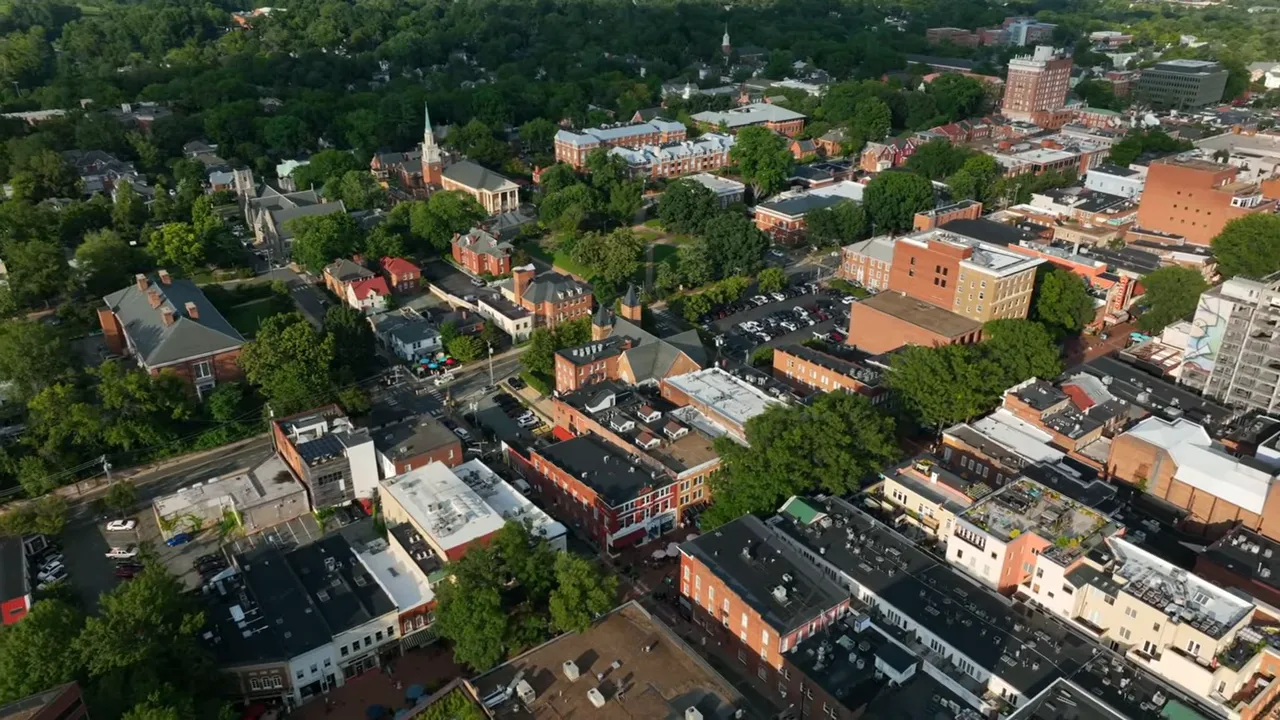
That is the real story of living in Charlottesville VA. It is a compact area with distinct environments very close together: interstate access, suburban shopping, river recreation, historic downtown, a major university, a regional medical center, mature neighborhoods, and expanding new construction. The right location is not about chasing one perfect neighborhood. It is about understanding the tradeoffs and choosing the one that works for your actual life.
Frequently Asked Questions About Living in Charlottesville VA
Is Pantops in Charlottesville or Albemarle County?
Pantops is technically in Albemarle County, even though many people think of it as part of Charlottesville. That distinction can affect schools, property taxes, and local services.
Is downtown Charlottesville walkable?
Yes. Downtown includes the pedestrian Downtown Mall, restaurants, shops, entertainment, offices, and nearby housing. Parking availability and cost should be considered before choosing downtown living.
What are the main tradeoffs of living near UVA and UVA Health?
The biggest benefits are proximity, walkability, bike access, restaurants, and easy access to campus and the medical center. The main challenges are traffic during rush hour and events, plus potentially difficult or expensive parking.
Where can I find new construction near Charlottesville?
Route 29 North includes growing new-construction options in and around Brookhill, The Grove at Brookhill, Hollymead, Forest Lakes, and North Pointe. Housing types range from attached villas and townhomes to single-family homes.
Ready to find the right place to call home in Charlottesville VA? Whether you’re looking for a walkable neighborhood near UVA, convenient living in Pantops, or new construction along Route 29, I can help you find a home that fits your lifestyle and priorities. Call or text me at (434) 218-3142 to get started.
READ MORE: 5 Best Neighborhoods in Charlottesville VA for 2026